If you’ve been following the collaboration between Yorgos Lanthimos and DP Robbie Ryan, you know they aren’t exactly fans of the ‘easy way.’ For their latest Focus Features outing, Bugonia, they decided to revive VistaVision, a horizontal, large-format film process that, until last year, hadn’t been used for a major feature since the early ’60s.
The real star of the tech shed was the Wilcam 11, a one-of-a-kind unit Robbie tracked down from a Belgian DP who’d snagged it in a $10,000 fire sale. Reconfigured by technicians Scotty Smith and Marty Muller to be “shoot-friendly,” the camera was still a temperamental beast. Emma Stone reportedly described the camera as “gorgeous but temperamental,” a sentiment the crew shared as they navigated the movement that drags film through the gate horizontally at a terrifying speed.
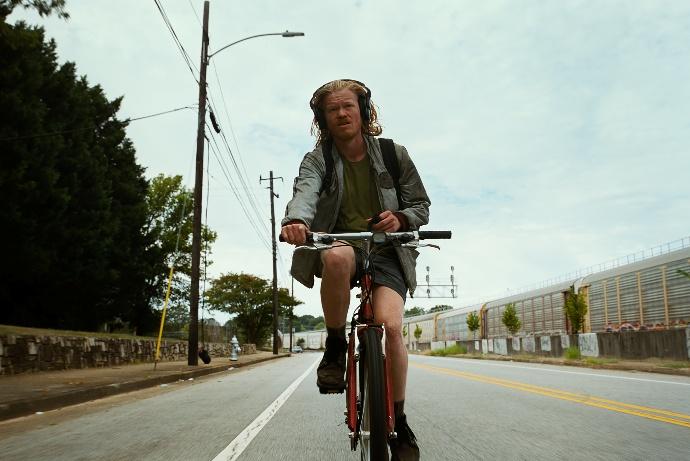
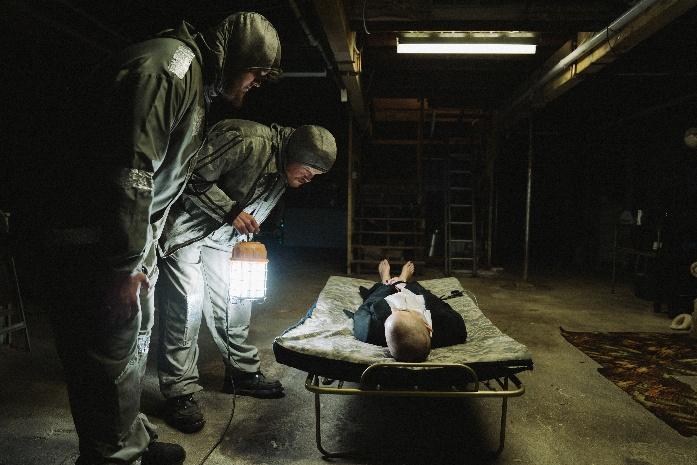
Because Bugonia is set almost entirely in a basement, the logistics were a nightmare for the sound department. Lanthimos is famously anti-ADR, which meant the “very noisy” Wilcam 11 was essentially a lead actor that wouldn’t stop shouting. Robbie called the decision to use 2,000-foot film “pizzas” a “Faustian pact”—it gave them 10-minute takes instead of five, but the sheer weight and instability meant the camera would often “mind game” the crew, snapping film during whip pans or jamming just as the performance peaked.
Despite the analog purism, the production was a hybrid of old-school grit and modern pragmatism. About 13% of the film was shot on 35mm, specifically for car rigs and tight close-ups where the VistaVision rig was simply too loud or too heavy to mount. The result is a 1.50:1 aspect ratio that leans into a “medium format portraiture” aesthetic, creating a visceral, claustrophobic atmosphere that feels less like a movie and more like a high-resolution window into a collective psyche.
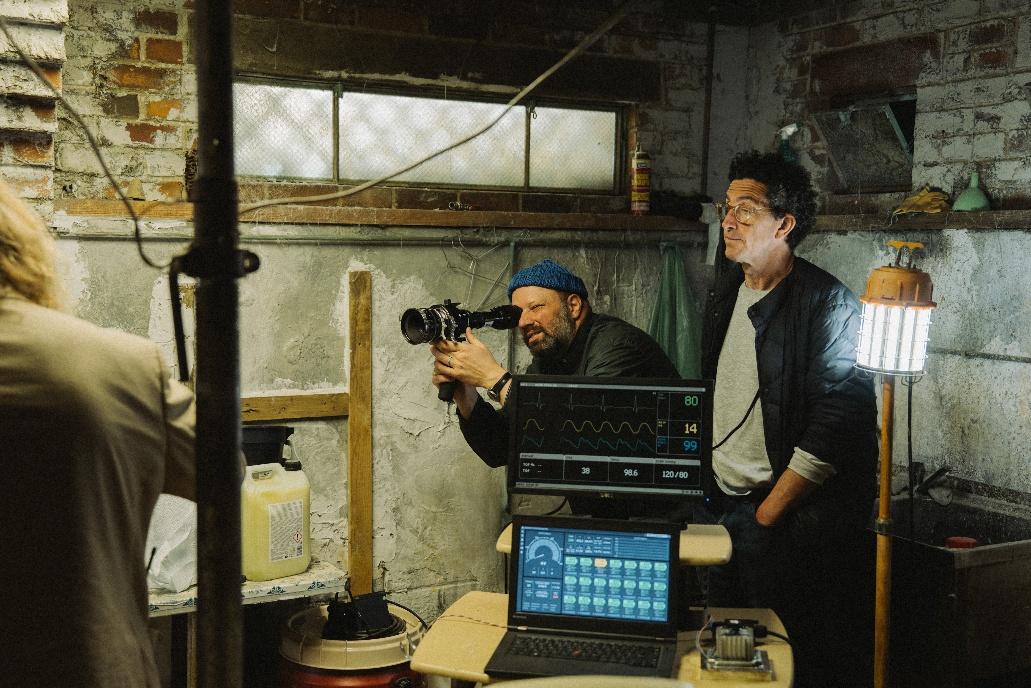
Working with a crew of only five or six people inside the set, Robbie and Yorgos avoided storyboards entirely, choosing instead to let the actors’ physicality dictate the frame. Lighting was almost exclusively handled from outside the house or through practicals wired into a 60 Hz generator to avoid flicker with the camera’s fixed 144-degree shutter. It was an exhausting, high-wire act of cinematography that Robbie Ryan summarized perfectly according to The Hollywood Reporter: “I’m glad I did it, not sure I will do it again.”