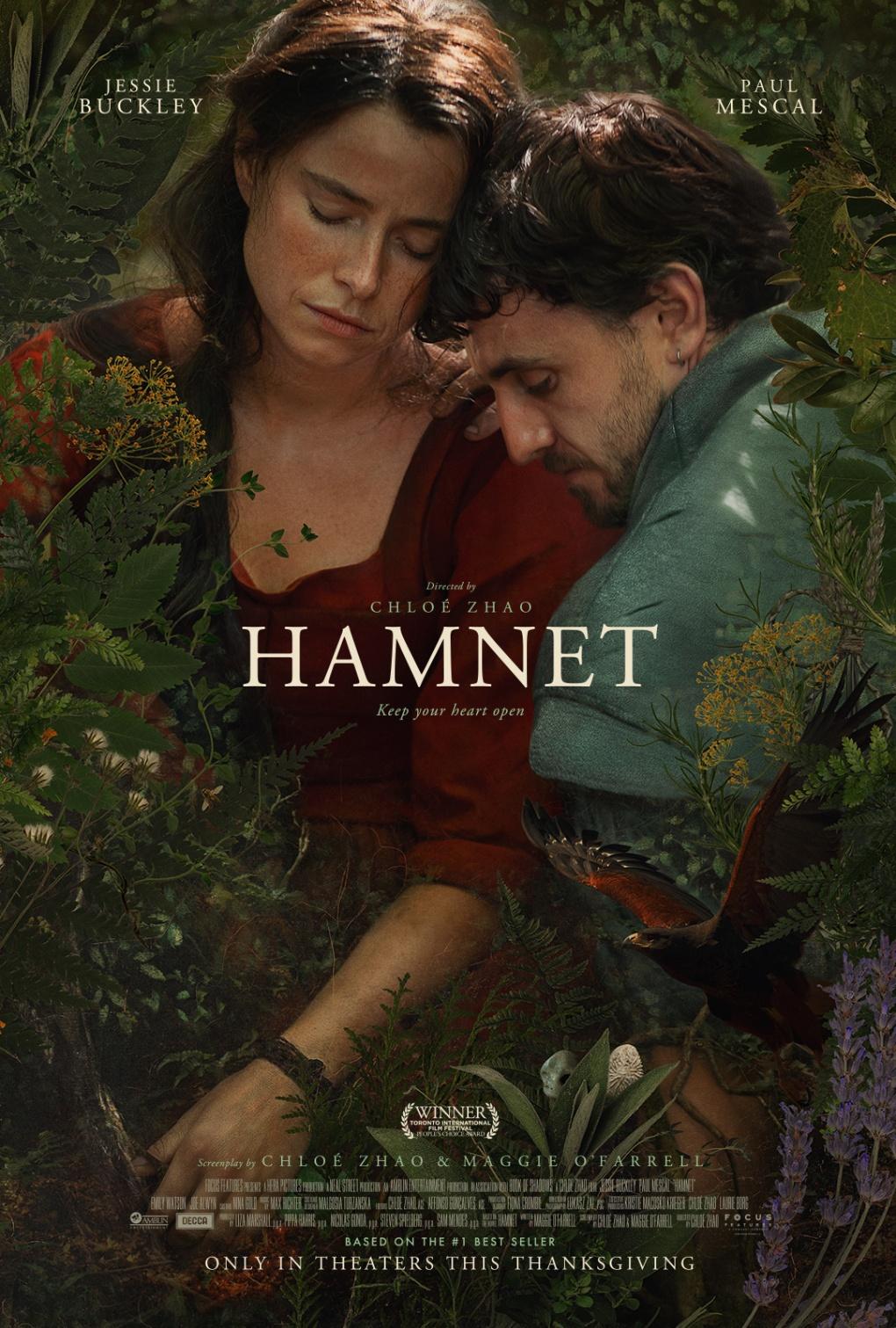
Focus Features is bringing something truly special to the screen with Hamnet, and it’s a project that feels like a shared heartbeat between director Chloé Zhao and DP Lukasz Zal. If you’ve followed Zhao’s work, you know she has a gift for finding the vastness in the intimate, but for this adaptation of Maggie O’Farrell’s novel, she took a strikingly deliberate approach to the frame.
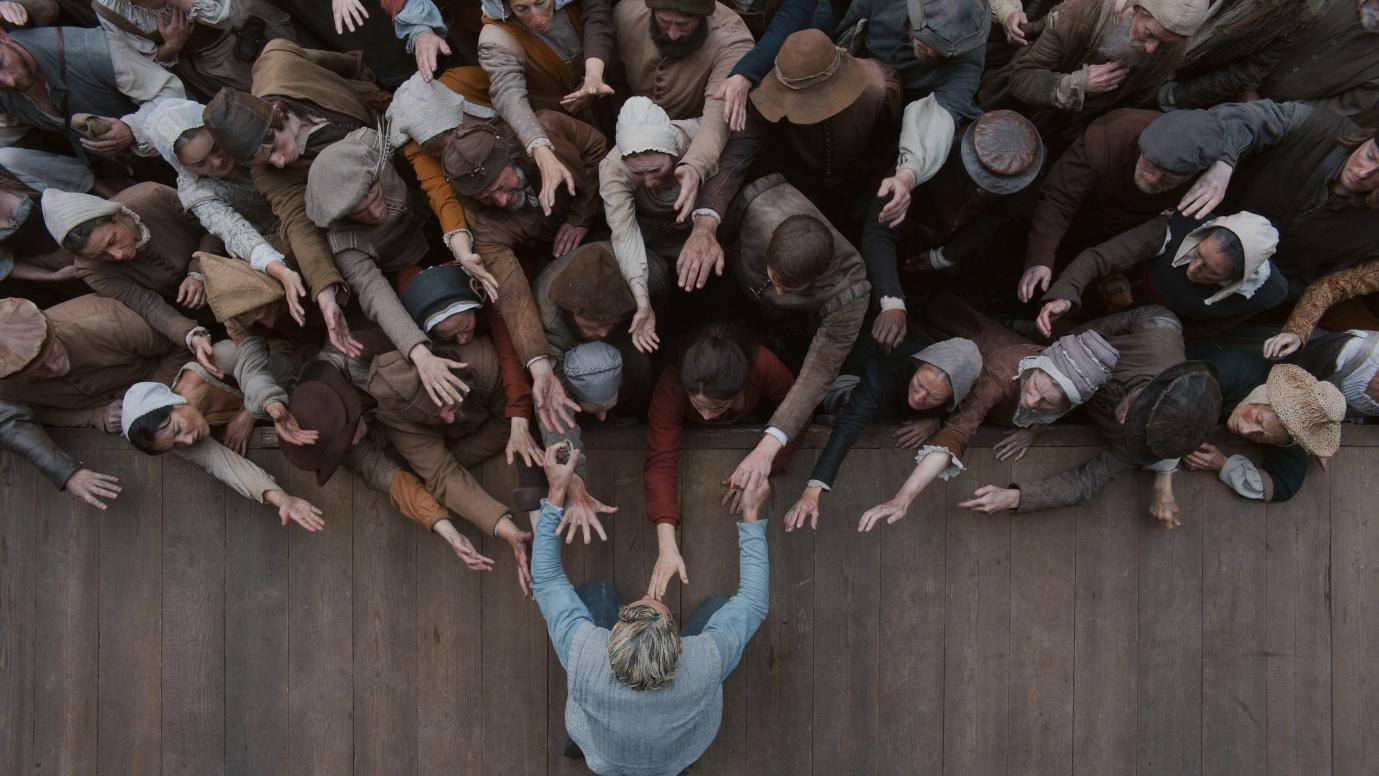
Zhao was very clear about the aesthetic she was chasing from the jump. “For Hamnet, we wanted the film to feel graphic,” she explained during the project’s development. This wasn’t just about high-contrast images; it was a structural philosophy for the entire shoot. “You notice so much is straight on and everything is designed with symmetry, with the understanding that it’s going to be almost like a backdrop of a stage,” she noted, leaning into the Shakespearean DNA of the story to remind us that “all the world is a stage.”
To get that “graphic” look to feel grounded, the team did some incredible legwork in pre-production. They spent four days essentially living in a forest, treating the trees and soil like a living organism rather than just a backdrop. Zal and Zhao weren’t just scouting; they were testing glass and listening to Max Richter’s compositions to see how the light hit the bark in sync with the music. They wanted to capture the life cycle—birth, decay, and everything in between—with a lens choice that felt “simple” and “normal” but deeply observant.
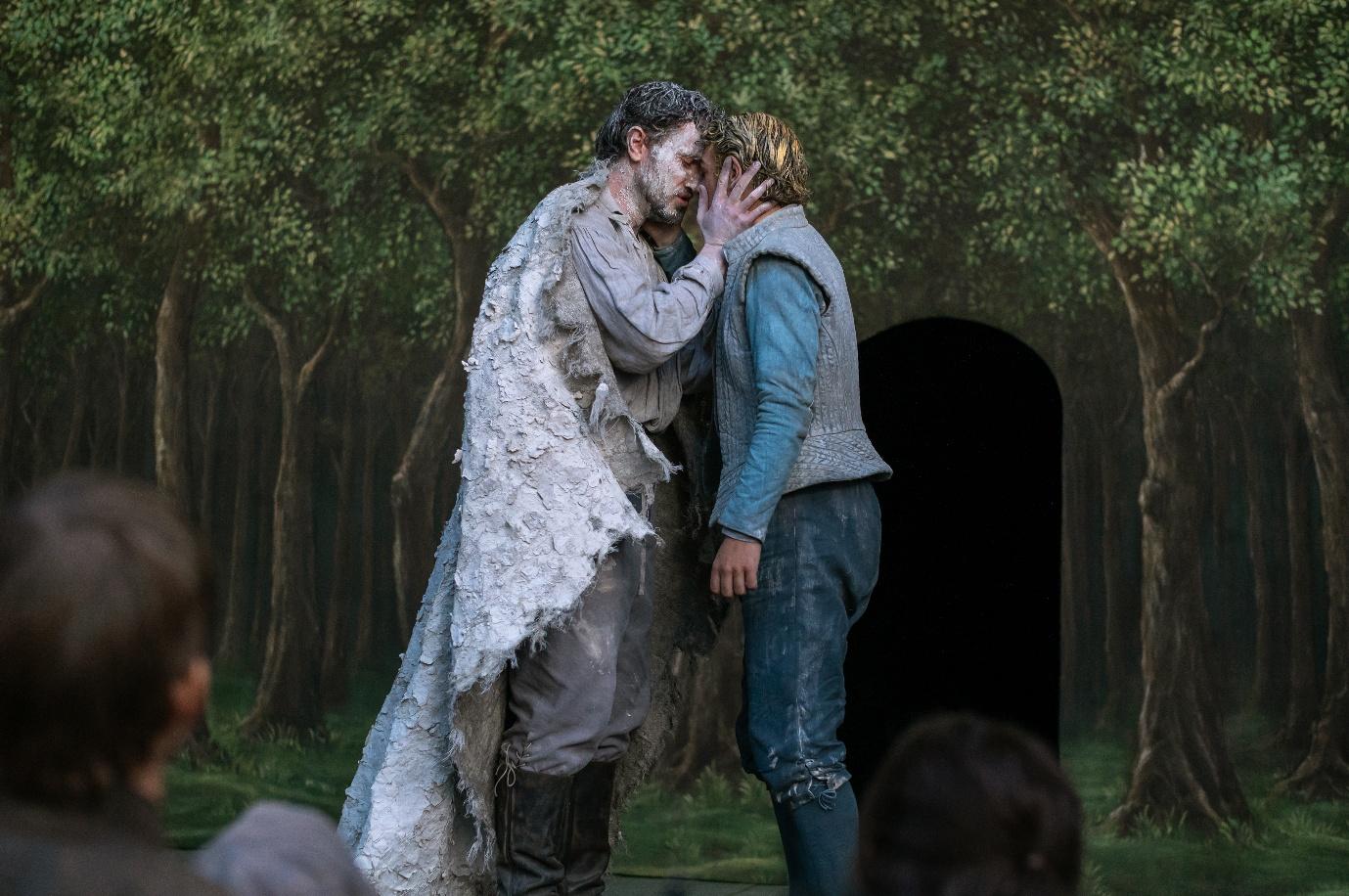
The centerpiece of the production, a custom-built Globe Theatre, is a DP’s dream. Rather than shooting in the actual London landmark, Zhao and production designer Fiona Crombie built their own version because the director wanted it to feel like the “inside of a tree.” This organic, wooden sanctuary became the focal point for the film’s most emotional moments. It’s here that Zal’s ability to “sniff out” the truth really shone. As Zhao puts it: “Lukasz is like a pioneer. He likes to discover, sniff around and set him loose, and then he’ll just find things.”
What’s perhaps most inspiring for those of us who handle the gear is how much trust was placed in the “human experience” on set. Even with the symmetrical, stage-like compositions, there was a raw, handheld energy used to capture the family’s grief. Zal focused on the fragments of reality—the way a pair of eyes reacts to loss—to create a world that feels both meticulously designed and completely spontaneous. It’s a bold reminder that even in a highly structured “graphic” film, the most powerful tool we have is the patience to see what’s happening right in front of the lens.
More information about: Hamnet | Focus Features