Yunus Emre Hamis, born in Balıkesir/Gönen, Türkiye, stands as a cinematographer whose work is deeply intertwined with authenticity, curiosity, and the art of storytelling. Growing up in the culturally rich Turkey, Yunus was introduced to photography and graphic design at an early age through his family’s profession. Cameras became a part of his life early on, with Kodak film cameras and, later, a Sony Handycam during middle school serving as gateways to visual storytelling. “I think those early experiences laid the foundation for what I do now,” he reflects, recalling his teenage summers spent filming weddings with meticulous attention to detail—a skill honed long before professional cameras became widely accessible.
What began as a hobby during his university years turned into a professional career in 2017 when he joined the production and rental house Kiralık Kameracım, beginning a journey that would see him grow into a sought-after cinematographer. His leap into the professional filmmaking world was accelerated in 2018 when he worked as the second unit cinematographer for the long-term documentary Anadolu Çiftliği (The Anatolian Farm), gaining extensive field experience over two years.
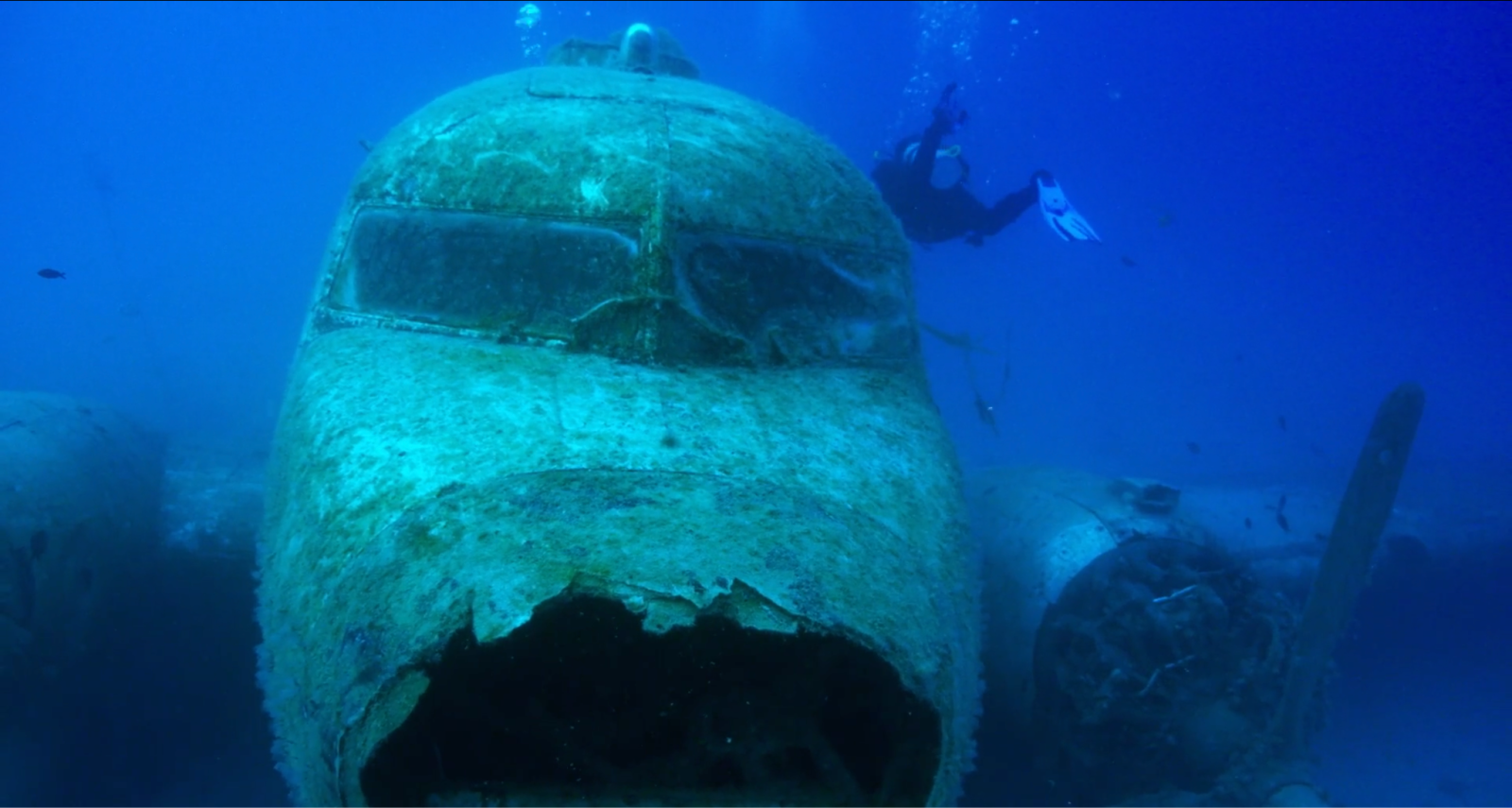
Since then, Yunus has gone on to produce content across a variety of platforms, including TRT Belgesel, Al Jazeera, Amazon Prime, and Bein Connect. His portfolio spans advertising, documentaries, and digital media, working with global brands like Mitsubishi Motors, WWF, Migros, BIODERMA, and Tripadvisor. His versatility and technical expertise have been further demonstrated in recent works, such as The Wanderer (Amazon Prime Video), Insider – Big Batches (Doner & Baklava episodes), Anadolu Arkeolojisi (TRT 2), Antika Dedektifi (TRT Belgesel), and Hafir (TRT 2). He also contributed underwater cinematography to selected episodes of The Wanderer and Anadolu Arkeolojisi, further showcasing his range as a visual artist.
However, it is documentary filmmaking that ignites his deepest passion. Over time, Yunus made a conscious decision to focus on this genre, drawn by its raw honesty and unpredictable nature. “There’s something incredibly rewarding about capturing what is real,” he explains. “It’s about the people you meet, the unpredictability of the road, the moments you chase, the ones you miss, and the ones you patiently wait for.” This commitment was firmly solidified during his involvement in Anadolu Çiftliği, where he traveled thousands of kilometers, navigating vast landscapes to capture fleeting, authentic moments. “That project didn’t just shape my career—it shaped me,” he says. “It taught me how to connect with people from different cultures and, more importantly, how to connect with nature and respect its rhythm.”
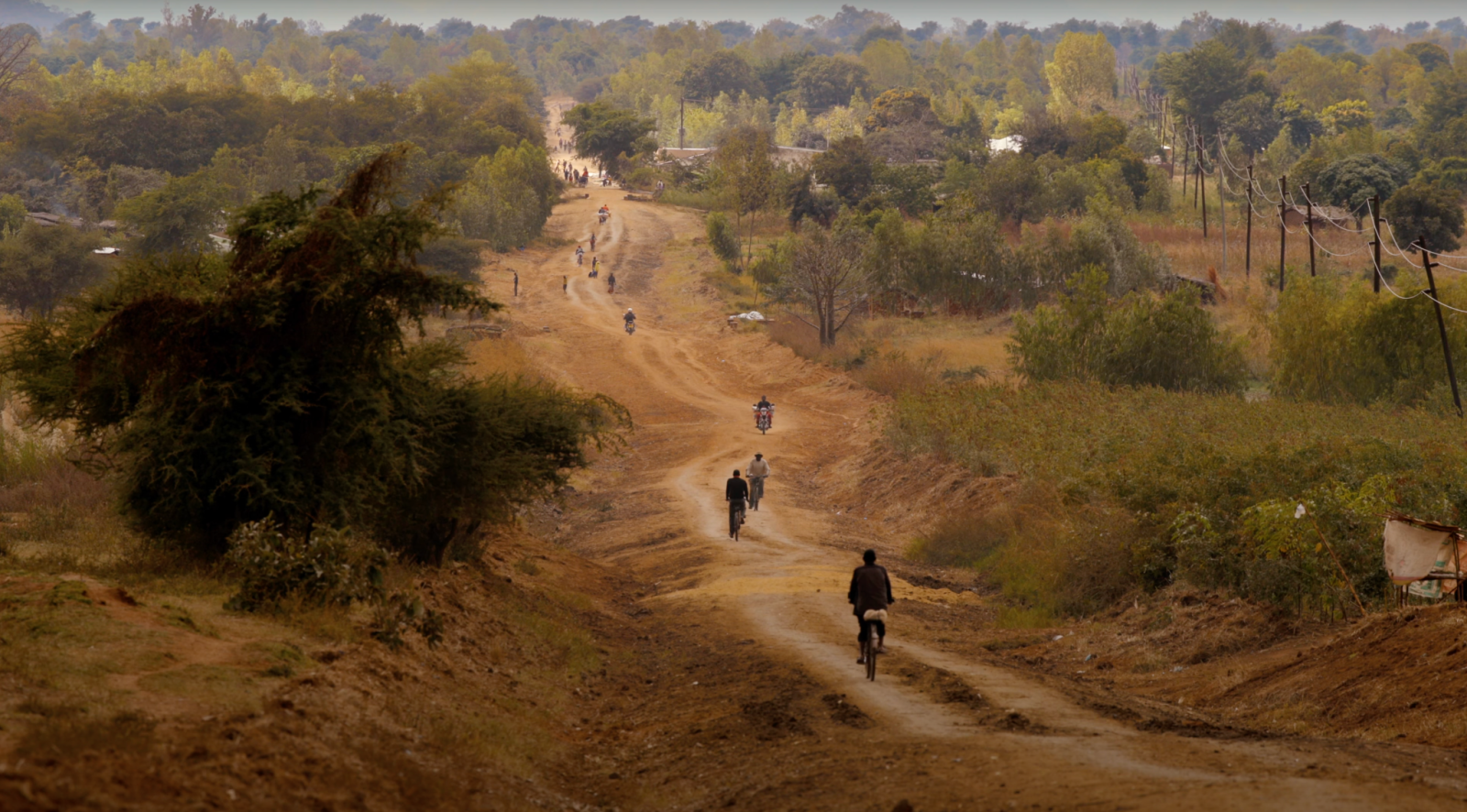
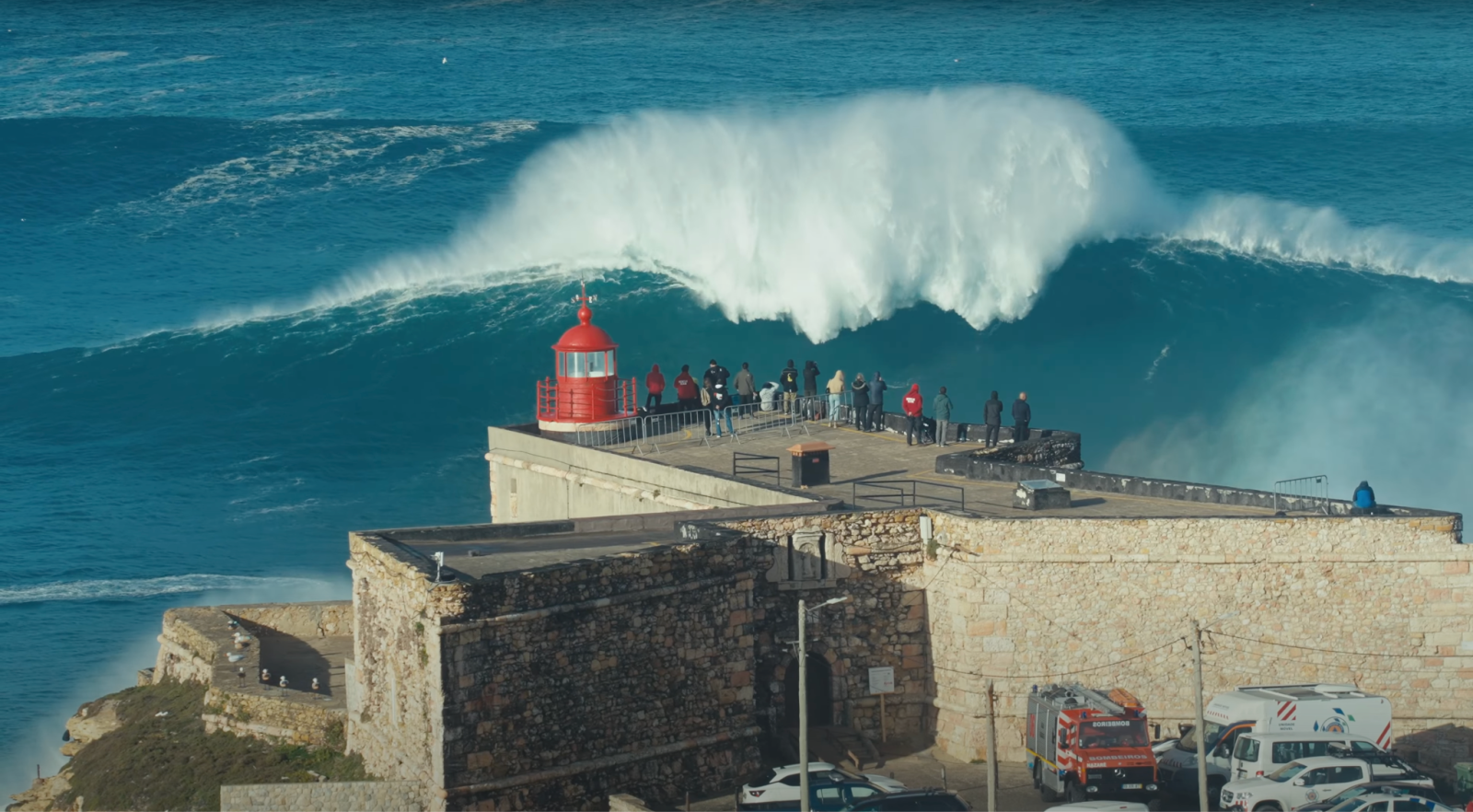
Yunus often directs independent documentary projects, many of which focus on local cultures and human stories. His works include Nature in My Heart, filmed in Malawi; Nazare: Big Wave, a short documentary on Portugal’s giant wave surf culture; and Navidad Flamenca, which explores Zambomba music and flamenco brotherhood traditions in Huelva, Spain. These projects reflect his dedication to capturing honest, emotionally grounded narratives through a cinematic lens.
For Yunus, Turkey plays a central role in his artistic vision. The country’s remarkable diversity in geography and culture provides him with limitless stories to tell. “Mountains, plains, rivers, villages—there’s a powerful story waiting to be told almost everywhere you look,” he notes. To date, Yunus has filmed across Turkey and in 13 different countries, striving to capture narratives that resonate deeply with audiences.

Light is at the core of Yunus’ visual philosophy. “Whether it’s natural or shaped light, it’s at the center of everything,” he says, emphasizing its integral role in creating depth and mood in his cinematography. His technical approach reflects this perspective, prioritizing versatile, lightweight equipment that allows him to adapt on the fly—a crucial skill in the demanding nature of fieldwork. “What matters most isn’t just choosing lenses that suit my preferences but building a system that supports the crew, the workflow, and the production as a whole.”
Yunus approaches his craft with a balance of preparation and spontaneity. While documentaries often require extensive planning and research, he highlights the value of intuition in seizing the unexpected. “No matter how thoroughly you prepare, something always changes, especially when you’re working in nature. That’s where instinct comes in—you have to be able to make quick decisions or risk missing something truly valuable.” This fluidity between preparedness and spontaneity is a hallmark of his process, enabling him to craft authentic visual narratives that resonate deeply.
His inspirations in cinematography come from filmmakers like Ron Fricke and Renan Öztürk, whose works exemplify the intersection of technical mastery and storytelling. Yunus cites Samsara and Baraka as visual masterpieces that continue to inspire his approach, alongside the poignant documentary Honeyland, which he admires for its ability to merge truth and beauty. “These films remind me of how powerful documentaries can be,” he says, speaking to the lasting impact of simplicity and dedication in filmmaking.
Despite the challenges inherent in his field, Yunus views them as opportunities for growth. From technical malfunctions to waiting in extreme conditions, he believes problem-solving lies at the heart of cinematography. “Cinematography is problem-solving,” he says, succinctly summing up his mindset. In fieldwork, particularly in documentaries where moments can’t be recreated, every challenge is met with calm determination and creativity. “What matters most is staying calm, thinking clearly, and looking for solutions,” he explains, an approach that has served him well throughout his career.
Collaboration and teamwork also play a vital role in his work. Yunus emphasizes the importance of clear roles and shared respect on set. “What we do is never the result of just one person’s effort,” he says, fostering an environment where each crew member feels valued and motivated. From thoughtful conversations to small gestures like sharing a coffee, Yunus believes that camaraderie contributes directly to the success of any production.
Though his career is firmly rooted in the digital age, Yunus carries a deep respect for the artistry of cinema’s past. “There’s a quiet nostalgia for the look of film,” he observes. “The authenticity of a fight scene captured on set rather than crafted in post still resonates deeply. I think this craving will linger—at least until the day when today itself becomes the ‘good old days.’” He sees this duality—between the advancements of digital tools and the timeless beauty of analog techniques—as shaping the future of cinematography.
For those entering the field, Yunus offers heartfelt advice: “Shoot constantly. Experiment with every camera you can get your hands on and study the results. Trial and error teaches you more than theory—it’s how you really learn what works and what doesn’t.” He also stresses the importance of physical and mental discipline, underscoring the demanding nature of working long hours in often extreme conditions. “Staying strong allows you to stay focused, handle your gear, and do justice to the story.”
With future projects already taking shape, Yunus Emre Hamis remains a figure defined by his curiosity, determination, and deep respect for storytelling. Each frame he captures reflects a lifelong relationship with the truth and beauty of the world. To him, cinematography is not just a career; it is a lens through which life itself is explored, understood, and preserved.