Long before she operated a camera on a Hollywood blockbuster, Rachel Clark spent her teenage evenings in a shed at the bottom of a garden in Gateshead. Someone close to her had noticed how much she photographed everything and gave her what she needed to set up a darkroom, along with a lesson in developing film. So at fifteen or sixteen she would disappear into the red light, rocking trays of chemicals and watching pictures surface from blank paper. She can’t name a single photograph from those years (“I have a very bad memory,” she says cheerfully), but she remembers the feeling exactly, and the smell even more. Walk her into a photo lab today and that sharp chemical scent still sends her straight back to the shed. “It was like magic for me.”
She was a shy kid, and the camera was the perfect place to hide. At school, while everyone else talked, she took pictures. It let her be part of a group without having to be the center of it. Her favorite subject was her grandmother, who was photographed so often, on so many cameras and stocks, that she eventually asked whether Rachel didn’t have enough pictures of her yet. The answer was no. Later Rachel started bringing a small video camera and asking her to tell stories about the family and about the war. Looking back, she suspects that was where it all began: an urge to hold on to people and their histories before they slipped away.
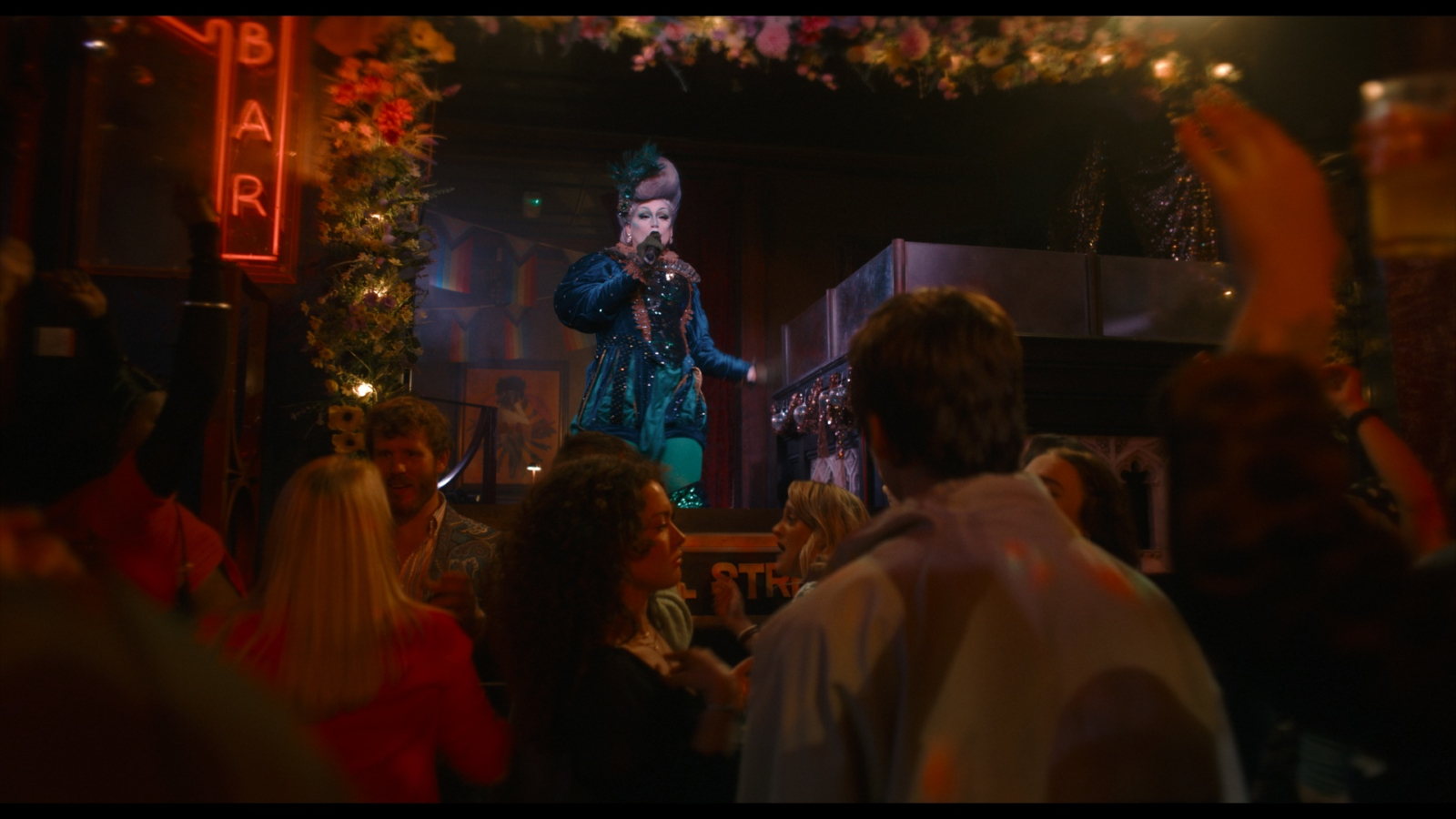
Photography took her to art college, and a teacher there changed the direction of everything. Every Wednesday he turned his classroom into a film club and showed independent and art house cinema, from David Lynch to Wong Kar Wai. Then he sent the students to the local cinema to see whatever had opened that week. For a teenager from the north east of England in the years before the internet, those films did something guidebooks couldn’t. The colors, faces and neon of Chungking Express, Un Chien Andalou and Three colours Trilogy felt like travel. Cinema, she realised, was a way of going to places she never imagined she would see.
What she hadn’t yet grasped was that somebody actually made these things. Then she saw a notice pinned up in one of those small cinemas asking for volunteers on a short film. She went along, said she loved cameras and lenses, and offered to help. They already had a camera person, thanks, but she was welcome to make tea and fetch snacks. She said yes. “I hadn’t connected in my head that these films I was watching needed people to make them,” she says. Once she had, there was no going back. There was no film school either. She worked her way up the old way: runner, camera trainee, clapper loader, focus puller, operator. It was a long climb, and she took every step of it.

One of the films she worked on as a clapper loader was Andrea Arnold’s Fish Tank, shot by Robbie Ryan, and it shaped her as much as anything she watched at that college film club. On Arnold’s sets everyone’s eyes counted. If you wandered off on a break and spotted a bird’s nest, a weed pushing through cracked concrete or some odd writing on a wall, you could bring it to the director, and sometimes it ended up in the film. The message was that nobody on the crew mattered less than anybody else. Rachel felt valued there as an assistant, and she has carried that into the way she runs her own team.
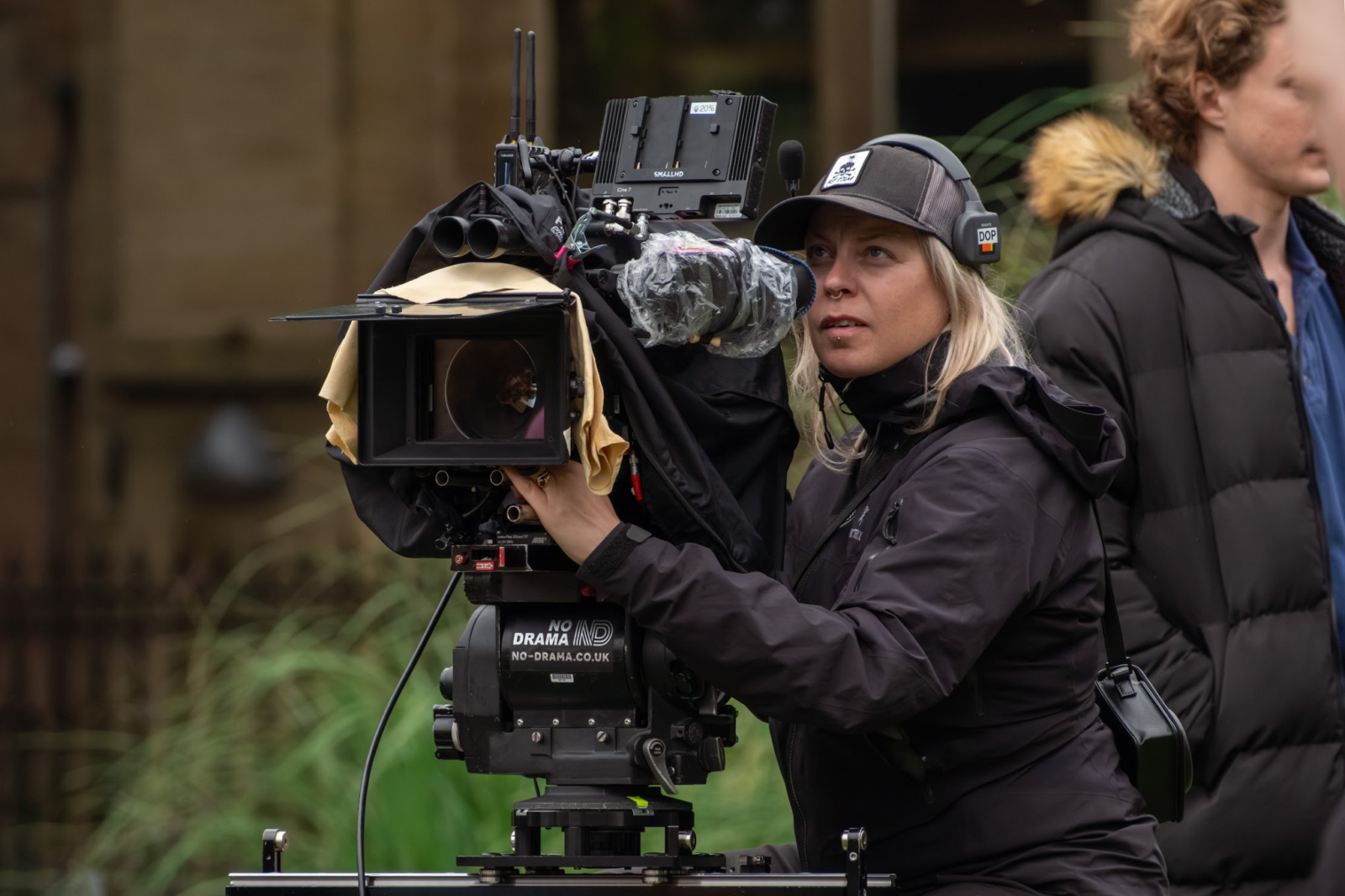
Her later years as an assistant and operator took her a long way from British independent cinema. She worked on the Fast and Furious franchise, Captain America, Black Panther and the Harry Potter world. She also operated on Dune and The Batman, as well as on Rocks and Men. She rigged cameras to cars and cranes, travelled the world chasing stunts and car chases, and became one of the first women in the UK to operate on a big studio picture. Along the way she turned into a resourceful problem solver. Need the camera underwater, on a horse halfway up a mountain, or shrunk down to almost nothing? She was the one ringing rental houses and testing kit with the DP. She also cross processed film, double exposed, made her own filters and, on at least one occasion, drew on the lens.

All that training came with a catch, though. Assistants are taught to be invisible. “My job was to help other people with their vision, not be the person with the vision,” she says, and switching roles took real effort. What made it easier was that film sets had long since become home. She knows when an actor needs silence and when it’s fine to step closer. She knows what it costs a gaffer or a costume department when she asks for a change. That’s why she never felt alone when she started shooting. You’ll still find her helping the electricians put up lights.
Her approach to prep is a cheerful contradiction. She loves the early conversations, when anything seems possible, and is entirely realistic about the moment budgets and schedules start crossing things out. “I will plan everything for sure, but only so that I can throw it away if I need to.” Doing the thinking beforehand means the expensive hours on set can go to the actors and the director. Post gets the same care. She tries to get as close as possible in camera, so the grade can push further rather than rescue. She worries about how often cinematographers are now shut out of that last stage, and she has watched colleagues lose control of images they spent months creating.
On technology she is happily pragmatic. Small battery LEDs that stick almost anywhere suit the improvised, fast moving work she loves. Still, on a recent job about heat and climate, production wanted to go fully LED and she had to fight hard for one big hard source to stand in for the sun. When people later said it looked great, she knew exactly why. Others might argue that it looks the same either way. “Yeah, but it doesn’t feel the same,” she says. Lately she has started limiting herself on purpose, practicals only here, tungsten only there, because too many options can leave you stuck in a swamp of choices.
The part of the job she would never give up is the camera in her hands. She did one film without operating and felt she had lost a power. For her, operating is the best seat in the house: a close triangle between operator, focus puller, dolly grip and actor, right in the middle of a performance. Sitting in a tent watching monitors is not for her. “It’s about human beings, really,” she says. “Everything is about humans.”
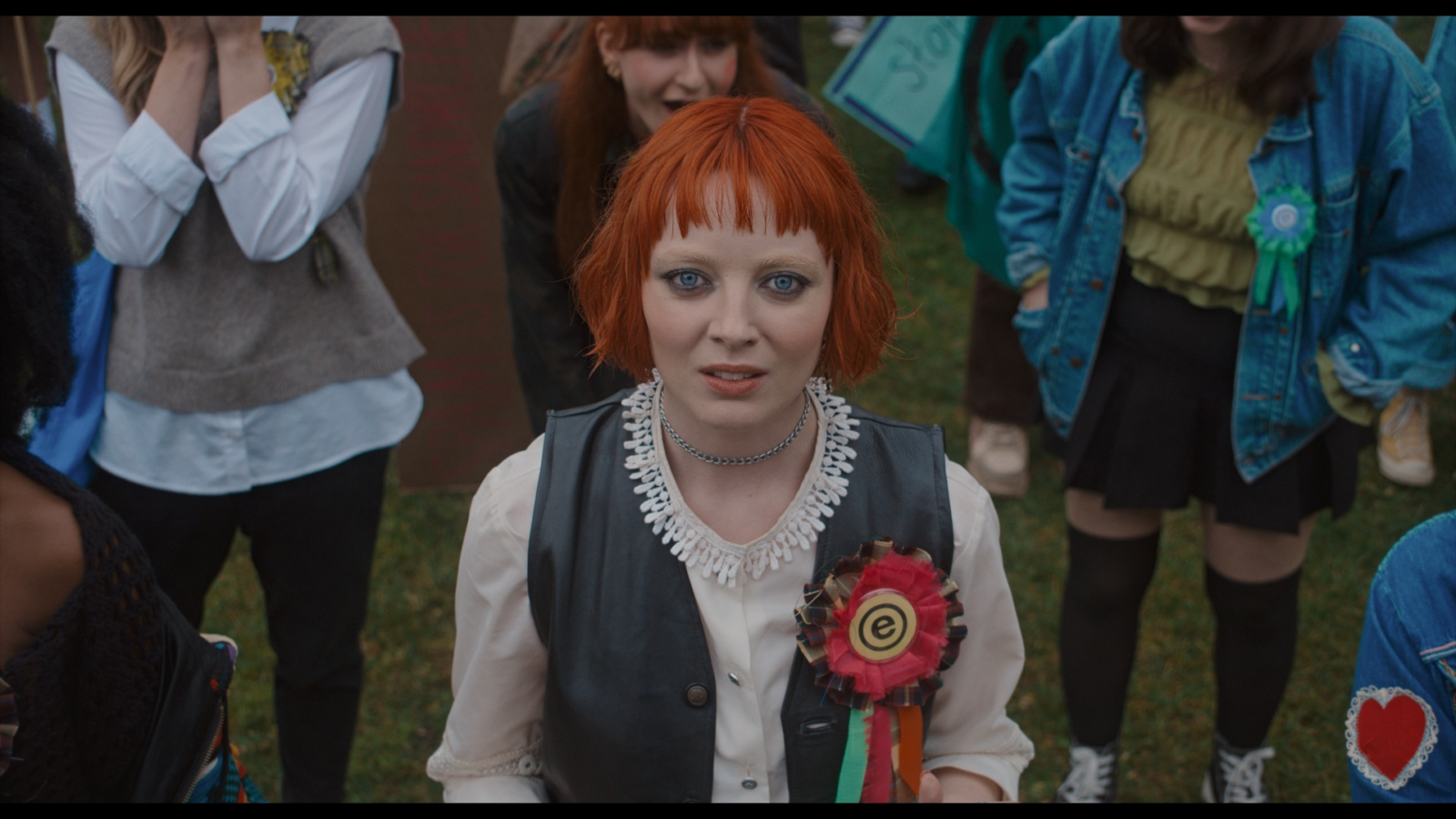
That instinct runs through the work she is proudest of. With director Dominic Savage she has made a series of intimate, improvised, handheld dramas centered on women, I Am Maria, I Am Ruth and the upcoming I Am Helen. I Am Ruth, starring Kate Winslet, earned her a BAFTA nomination for Photography and Lighting. Lucy Cohen’s Edge of Summer, a coming of age story set on the Cornish coast, was nominated in the Cinematographers’ Debuts Competition at Camerimage in 2024. It is the film she would show anyone who wants to understand her taste. Alongside these sit Reggie Yates’s Pirates, the series Queenie and Alicia MacDonald’s Finding Emily. The ideal relationship with a director, she says, has no ego and plenty of honesty, with both people pushing each other further. That includes the director who asked her to shoot an entire project on a single lens.
She is careful not to make her story mainly about being a woman behind the camera, though she is honest that barriers remain. There were very few women in technical roles when she started and she is enthused to see this is no longer the case. Change is happening but we still have a lot further to go before any sort of parity is reached. “I think there is a glass ceiling that still exists and as female cinematographers we do face more scrutiny than our male colleagues. We often have to prove ourselves more and are held to much higher standards than our male counterparts. Hiring a female cinematographer is still perceived by many to be a “risk” or “giving them a chance” as opposed to hiring us because we are capable of doing the job, do good work, or are indeed the right person for the role.”
What she would rather talk about is community. She is active in Illuminatrix, the collective of women cinematographers based in the UK, and in the international group Women in Cinematography. For her these are places where people share work, teach each other and look after one another.

Right now she is grading a charity short she shot on 35mm for Andrea Arnold, which brings her back to the director who first made her feel she belonged on set. She is also reading scripts and hoping the coming year is full of features. If she could send a message to the teenager in the garden shed, it would be simple. That girl tried for years to blend in on crews made up mostly of men, and it took Rachel a long time to stop doing so. Her advice is that it’s okay to be yourself, to be seen and to say your ideas out loud. The shy kid who hid behind the camera turned out to have quite a lot to show.