There’s a particular kind of honesty in how Jarmo Kiuru describes his craft. When asked to define cinematography in the shortest possible terms, the Finnish cinematographer doesn’t reach for technical jargon or artistic words. Instead, he offers something very simple: “Cinematography is communication.” It’s a statement that encapsulates not just what he does, but how he approaches every frame, collaboration and decision that transforms a script into visual language.
Raised on a dairy farm far from any film industry, Kiuru’s path to becoming one of Finland’s most celebrated cinematographers was not predetermined. Growing up without obvious connections to cinema, he discovered his passion through the most accessible of technologies— a friend’s VHS-C video camera. As a teenager, he and his best friend began making their own films, a practice that would become the foundation for everything that followed. Before that, Kiuru had already been drawing constantly, sketching politicians and character types from newspapers, teaching himself to see and interpret the world through images. “Making images was kind of a natural way for me to communicate with the world,” he recalls.
This early self-education through observation and experimentation would prove more valuable than any formal training could have been. By the time he applied to Aalto University’s Department of Film, Television and Scenography, he already possessed something that cannot be taught: an intuitive understanding of how images communicate meaning.
During his studies, he deliberately rotated through different roles—operating, focus pulling, assisting — and found himself gravitating towards the camera department, perhaps with the cost of not at first gaining valuable experience in lighting. He then had to face these lessons later on with a heightened attention to light and its possibilities – a learning that will never stop. “The sensitivity, the tools, the rhythm, the workload—it was more aligned with my sensibility,” he explains. This wasn’t mere preference; it was a recognition of where his particular gifts could be most effectively deployed. After film school Kiuru worked simultaneously as a director of photography on smaller independent projects and as a focus puller on larger productions, maintaining what he calls “keeping the muscles warm” while gradually building industry connections.
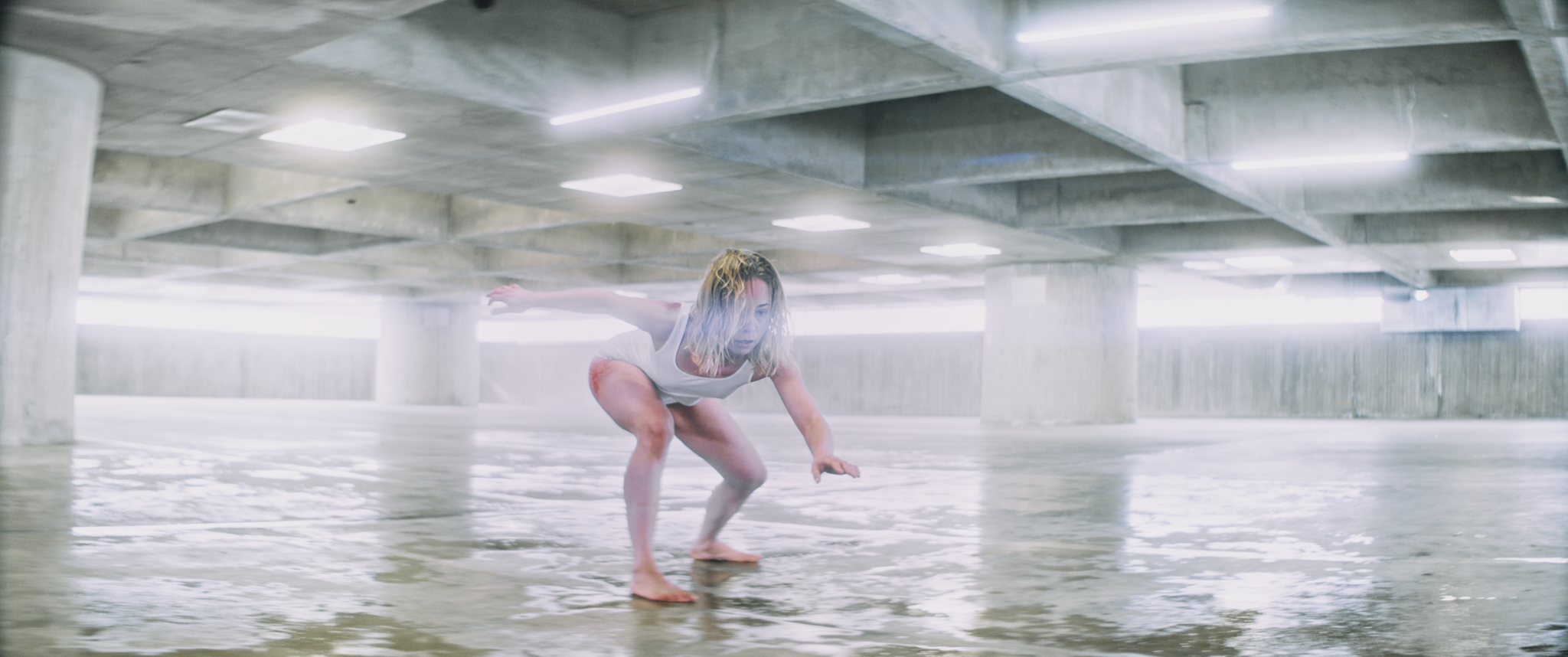
Kiuru’s career trajectory has been marked by increasingly prestigious projects and international recognition. His work on “Girl Picture” (2022) earned him a Jussi nomination and an audience award at Sundance. “There Will Be Spring” (2020) brought another Jussi nomination. His films have competed at Cannes and Toronto, won awards at Berlinale and Canneseries. In 2022, he was named FSC Cinematographer of the Year. Yet despite these accolades, what emerges most clearly from conversation with Kiuru is not pride in achievement but rather a deep commitment to the work itself.
This commitment manifests in meticulous pre production. Kiuru is known throughout the Finnish film industry for his comprehensive plans. This preparation serves as a basis from which he can respond to each situation. He believes that different directors require different approaches. With directors who prefer minimal discussion, he asks deeper questions, pushing toward understanding the “why” beneath just the practical decisions regarding coverage. With directors who want to discuss endlessly, he sometimes shifts into a more practical gear, going from abstract conversations into concrete technical choices. “It’s just about getting to know the person, getting to know the project, and then reacting to it,” he says. “There’s no one way of working with a director.”
This adaptive philosophy extends to his relationship with his crew. Kiuru believes in feeding his team with comprehensive information, but he also trusts them to own their technical responsibilities. He values their input not as subordinates following orders but as collaborators who see the bigger picture. “They make me into a better cinematographer,” he acknowledges, noting that his core crew, many of whom have worked with him on multiple productions, consistently offer insights that improve the final result. This collaborative approach has proven essential, particularly when shooting two features back-to-back in a single year—a feat made possible only through the trust and efficiency built with a consistent team.

What Kiuru identifies as his primary creative obsession is neither lenses nor lighting nor camera movement, though he engages deeply with all of these. Rather, it’s point of view and camera positioning—the physical and emotional distance between camera and subject. All the following decisions derive from this. This concern emerged from his documentary work, where he learned to understand how proximity translates into intimacy, how the camera’s position in space communicates the filmmaker’s relationship to the story. He moves fluidly between modes: the subjective, intimate, reactive handheld approach influenced by filmmakers like Andrea Arnold, and the observant, detailed approach of directors like Robert Altman or Ken Loach.
This understanding of camera positioning as a language of emotional truth informs his approach to every genre. When discussing his work on “100 Liters of Gold,” a comedy set in his hometown that became Finland’s most-watched domestic film and the country’s Oscar submission, Kiuru describes how he approached scenes of characters fighting over bottles with the same cinematic intention he brings to psychological dramas. The light from the window, the positioning of the camera, the way drama lives in the eyes—these are not decorative choices but fundamental expressions of the story being told. “The misconception is that cinematography is just about making images look nice or beautiful,” he notes. “The rather unseen part is the construction of the story into cinematic form. How essential the craft of the cinematographer is when developing each story’s own language that can only exist in the realm of cinema and nothing else—not a novella, not any other form, but cinema.”
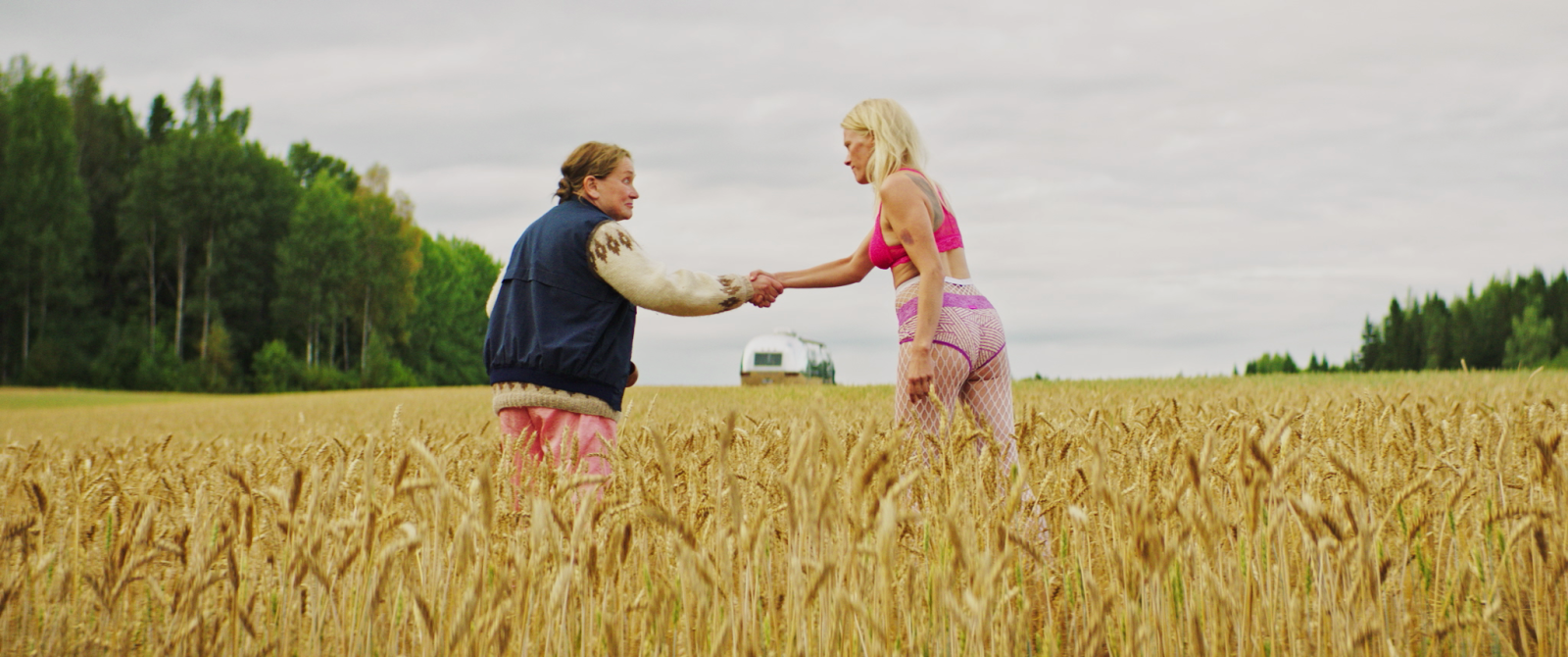
Growing up in Finland, with its dramatic seasonal shifts and distinctive quality of light, has shaped Kiuru’s visual sensibility in ways he’s still discovering. Born in spring, when light returns after months of darkness, he describes an internal calendar that aligns with the Finnish year. “We are kind of tuned up or on our toes and more attentive towards the light,” he suggests, connecting this to a deeper cultural inheritance—generations of Finns who had to read the signs of seasonal change to survive on the land. This attunement to light’s variations, to the way it transforms across months and years, has become part of his cinematographic vocabulary.
As vice president of the Finnish Society of Cinematographers (FSC), he’s actively working to ensure that opportunities extend to underrepresented groups. While the student body now approaches 50-50 gender balance, this hasn’t yet translated into equal representation among working cinematographers or FSC membership. “Gender equality is definitely an important topic for us,” he acknowledges. “My own film career really started only as more and more female directors started to get more financing. I also tend to work on sets that require a certain intimacy towards the actors and I often hire female members to the technical crew.”
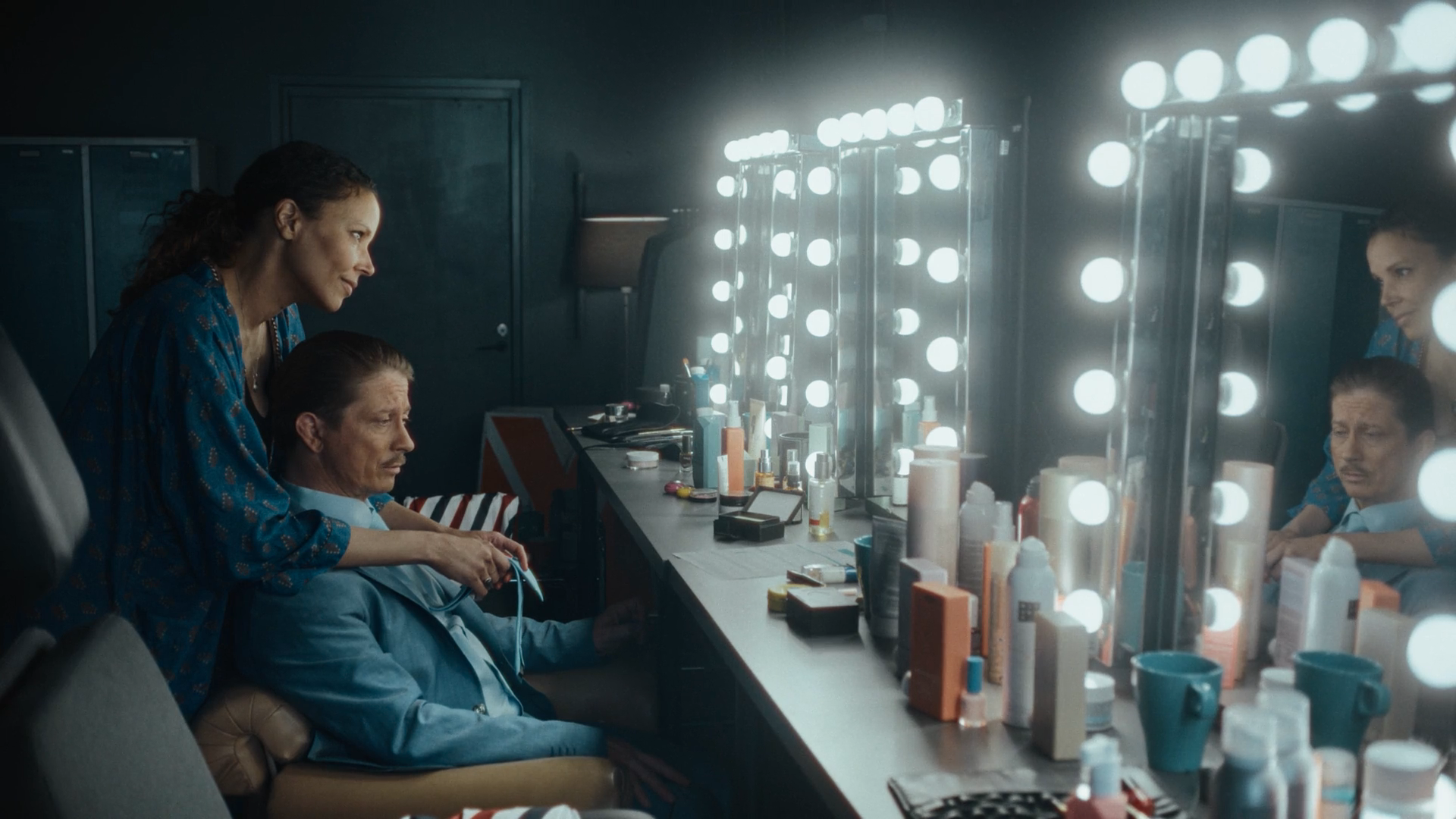
His influences reveal a cinematographer shaped by cinema itself—by the shock of discovering Tarantino’s “Pulp Fiction” at too young an age that served as a springboard for discovering the endless intertextuality of cinema, by the meditative beauty of Takeshi Kitano’s “Hanabi,” by the raw expressive energy of Andrea Arnold’s “Fish Tank.” Each film opened different possibilities for what cinema could be, different ways of seeing and communicating. These influences didn’t create a fixed style but the understanding that each story requires finding the ways it wants and needs to be told, and that the cinematographer’s role is to discover those ways through collaboration, preparation and sensitivity.
Looking toward the future, Kiuru expresses cautious optimism about cinematography’s place in an era of technological disruption and artificial intelligence. He’s pragmatic about the tools available—if a story requires shooting on an iPhone, then shoot on an iPhone. What matters is understanding where to place the camera, how to light it, how to tell the story. As for AI, besides perhaps streamlining some technical aspects and prepping, he hopes it will push cinematographers toward greater originality, toward finding stories and ways of telling them that haven’t yet been imagined. “I believe that the beauty of the human touch with its imperfections will still remain as the core of cinema”.

To young cinematographers just beginning their careers I’ll paraphrase Christopher Doyle and Jeff Cronenweth: art is what artists do while becoming themselves, so form your own point of view so that someone else can then relate to it, trust your instincts and face the fear.
Jarmo understands that the camera is not a neutral recording device but an active participant in storytelling, he sees preparation and flexibility not as opposites but as complementary aspects. He works with the understanding that cinematography is, fundamentally, communication—a way of telling good stories to audiences. In a world increasingly mediated by algorithms, that kind of human-centered communication has never been more valuable.