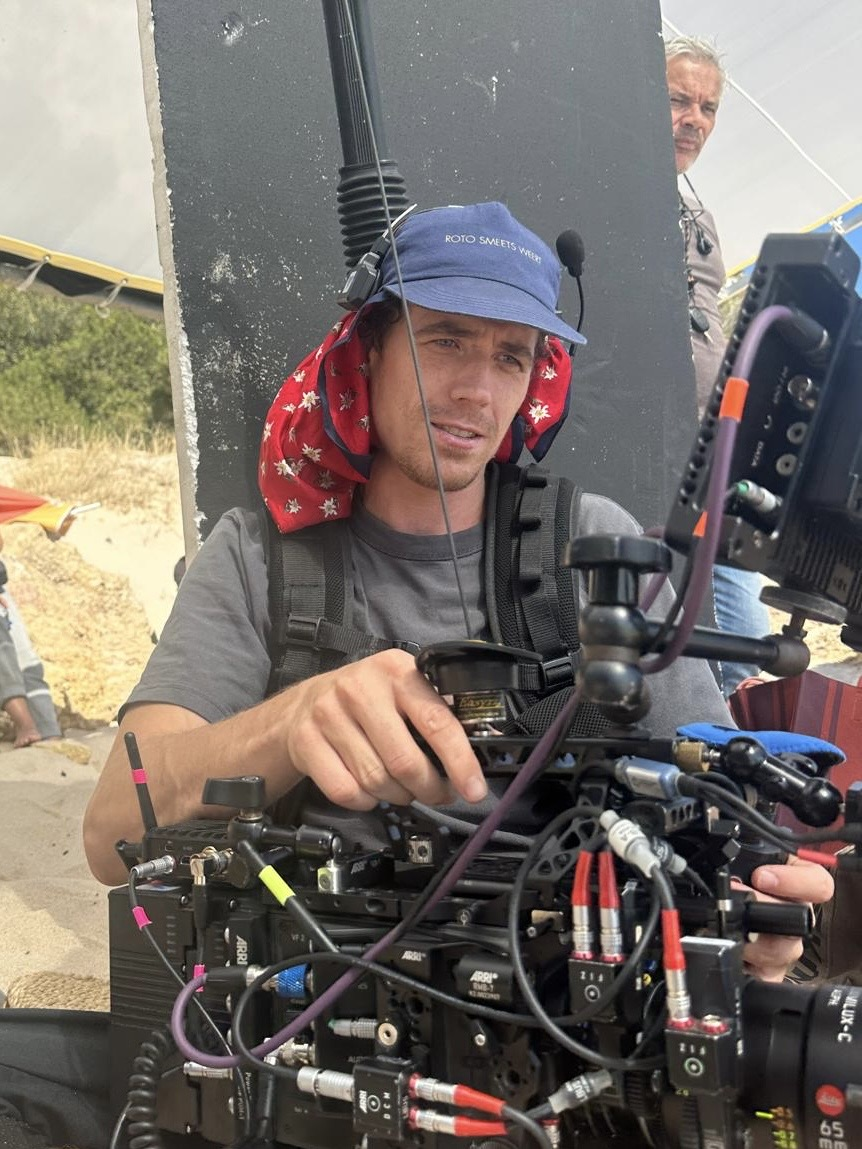
Douwe Hennink’s journey into cinematography started with a Mini-DV camera, a father who filmed every holiday, and a geography teacher with a passion for school film festivals. Growing up in a small city built from the sea, Douwe found his “promised land” not in the dikes surrounding his hometown, but in the craft of capturing the world. For him, the camera was never just a tool; it was a passport. Initially drawn to documentaries by a hunger for travel and cultural curiosity, he soon realized that while he found it hard to construct stories from scratch, he had a profound gift for capturing them as they unfolded. This shift led him to the National Film School in Amsterdam, where he entered as a 17-year-old electrician and emerged as a student Camerimage winner, proving that sometimes the best way to lead a crew is to first understand how to power the set.
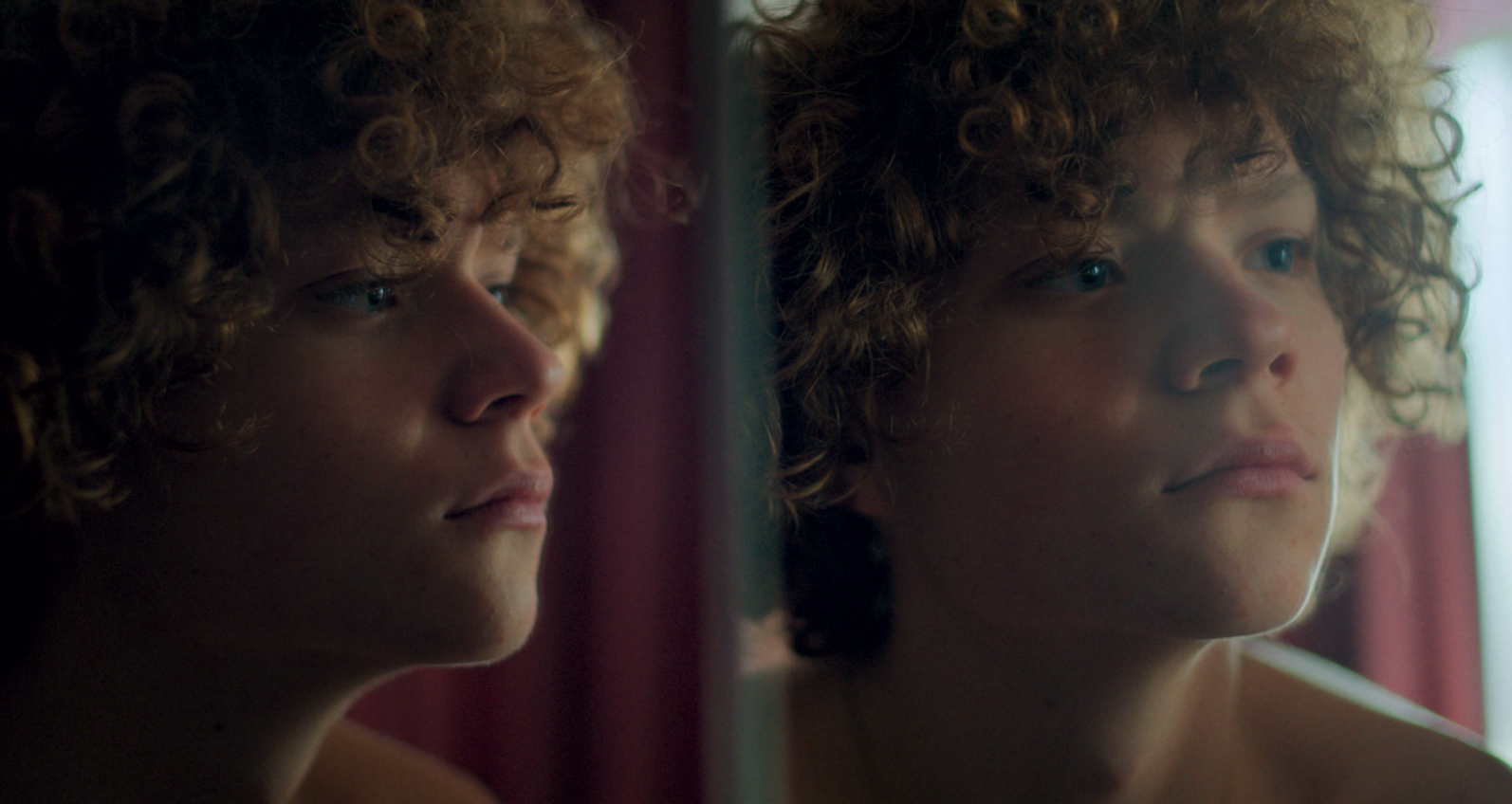
Hennink’s technical philosophy is refreshingly unpretentious and deeply rooted in the “search.” While many DPs get lost in the “gear talk” of lenses and specs, Douwe describes his process as an emotional journey. He isn’t the type to obsess over the latest sensor data; instead, he searches for the “hidden things between the lines” of a script, those unspoken emotions that we all feel but rarely articulate. “Cinematography tries to let you feel those things that are not outspoken, but that you can feel,” he explains. He approaches lighting with the same mindset. While he acknowledges the efficiency and speed of LEDs, he remains a romantic for the quality of HMI and Tungsten, especially when it comes to rendering skin. He’s the kind of cinematographer who would rather find the light than create it from scratch, often preferring the raw, immense power of the real sun, whether it’s the harsh, magical glow of Los Angeles or the dusty, white heat of Cairo (he finished shooting the feature ‘El Baraneya’ directed by Ashgan El Hamus), over a perfectly rigged studio setup. For Douwe, the sun has a power of reflection that is simply impossible to recreate, especially outdoors where its treatment of shadows defines the very mood of a scene.
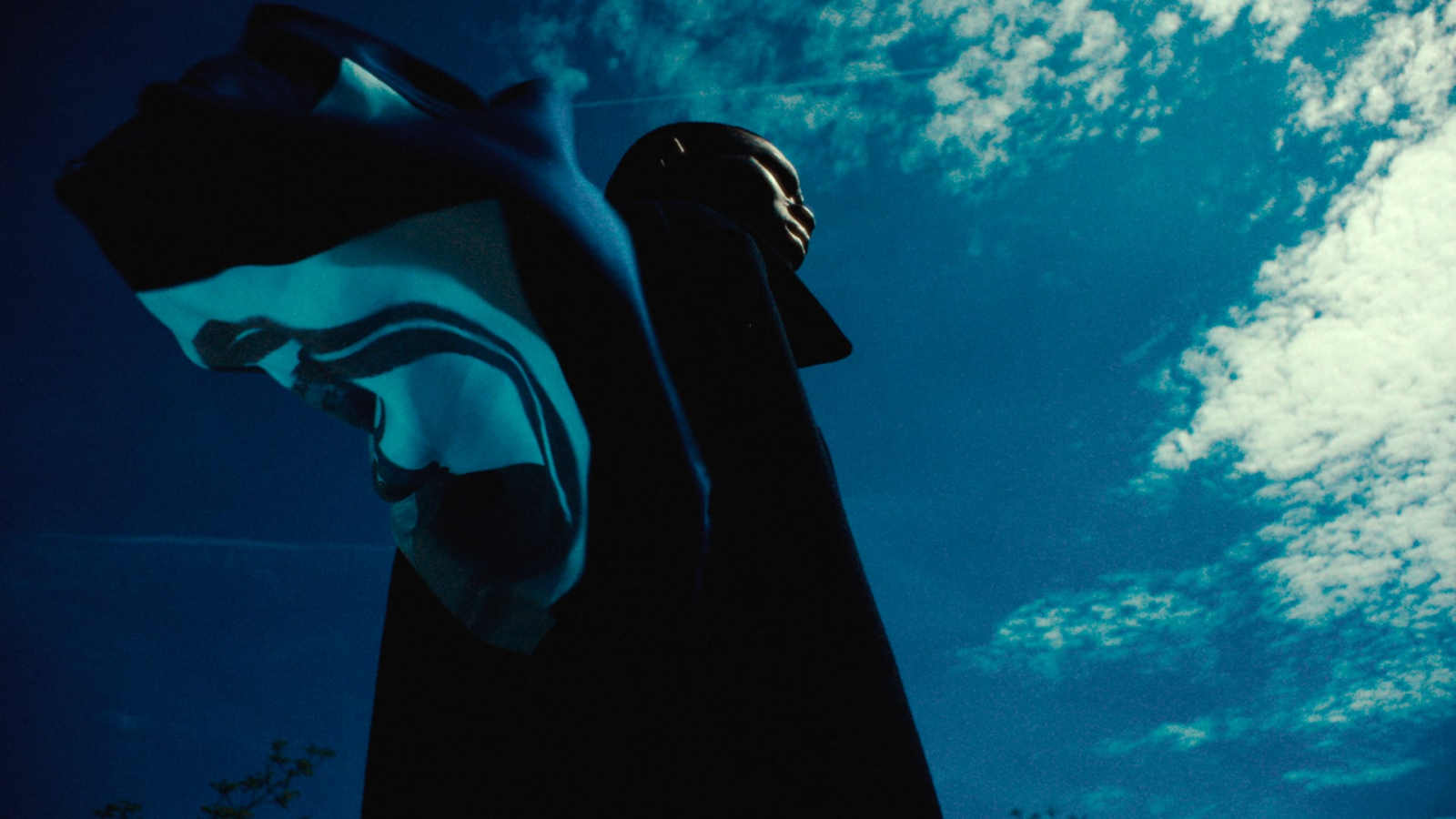
On set, Douwe leads with a soft, infectious excitement. “In the beginning of my career I was a bit uncomfortable in being in the attention of the set. The years of experience let to a way of working where I started to understand that leading a set can be done in so many different ways. And I found a way that works for me, that has a lot to do with the way my crew and I communicate. Mostly led by excitement.” he notes. He looks for “sensitive” crews, people who are technically proficient but also emotionally open to the adventure. This collaborative spirit extends to his relationship with directors, where he values curiosity over rigid rules. He likes to set boundaries during prep, defining what the movie is and, more importantly, what it isn’t. But he leaves enough breathing room to improvise. He wants to be rested and open enough so that when a scene is playing out, he can feel in his body that a sudden change in direction is exactly what the story needs. He describes this as a “love-hate relationship” with tight schedules: while the pressure can be immense, it forces him to trust his gut, often leading to the best creative decisions made in the heat of the moment.
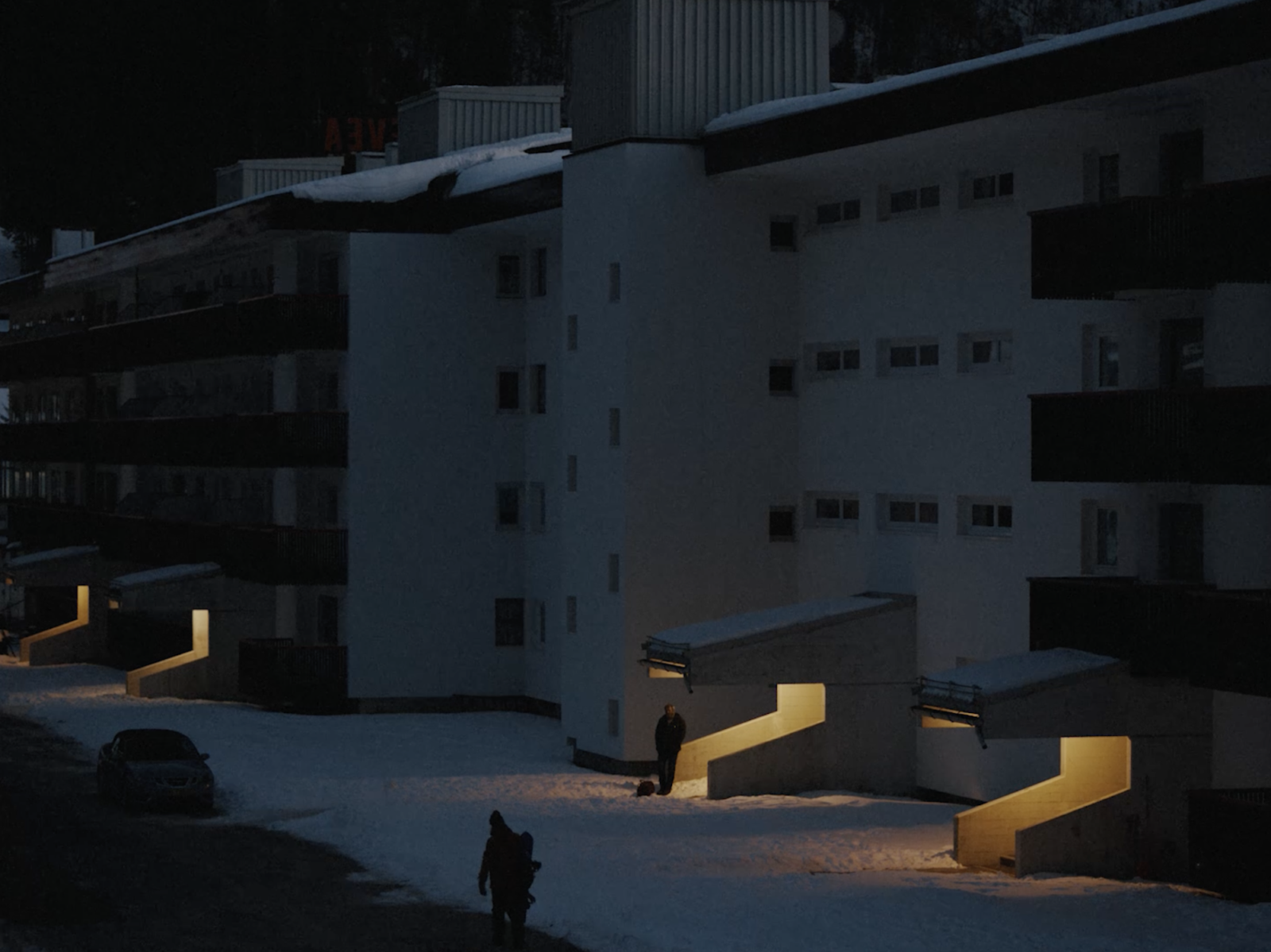
His visual language is heavily influenced by a few key cinematic references that shaped his understanding of the craft. Sofia Coppola’s “Lost in Translation” is a major touchstone for him, not just for its cinematography, but for its portrayal of loneliness and the feeling of being “lost in a world where you don’t understand who you are.” He also finds deep beauty in the simplicity of Hirokazu Kore-eda’s work, particularly “Like Father, Like Son,” admiring how the director finds humanity in the small, everyday connections between people. “The little things in life make you the happiest or the saddest, and move you the most,” Douwe observes. Another pivotal reference was Paolo Sorrentino’s “Il Divo,” which opened his eyes to the power of camera movement and eclectic framing. It was the first time he realized that a film didn’t have to stick to one rigid style, but could instead feel like a modern, baroque opera.
This desire for simplicity also dictates his workflow, particularly in post-production. Douwe is a firm believer in doing the heavy lifting upfront. He creates custom LUTs during prep so that the image on the monitor is 99% of the way to the final look. He dislikes the idea of a “new process” starting in the grading suite; for him, the soul of the film is decided before the first “action” is called. “I want to simplify as much as possible… I don’t really like the feeling of shooting it and then a new process starts,” he says. Whether he’s shooting a stylized meta-feature about 17th-century witches in Catalonia, ‘The possessed’ directed by Ena Sendijarević, or a hybrid documentary in the streets of Madrid, his goal remains the same: to elevate the story by focusing on things not everyone would see. From the 4:3 oppression of mountain landscapes in “All Fights in the Mountains” to the artistic, photographic frames of a high-end commercial for Hermès, Douwe Hennink continues to float through time, happily lost in the search for that one intimate, unspoken moment that makes a movie feel truly alive.