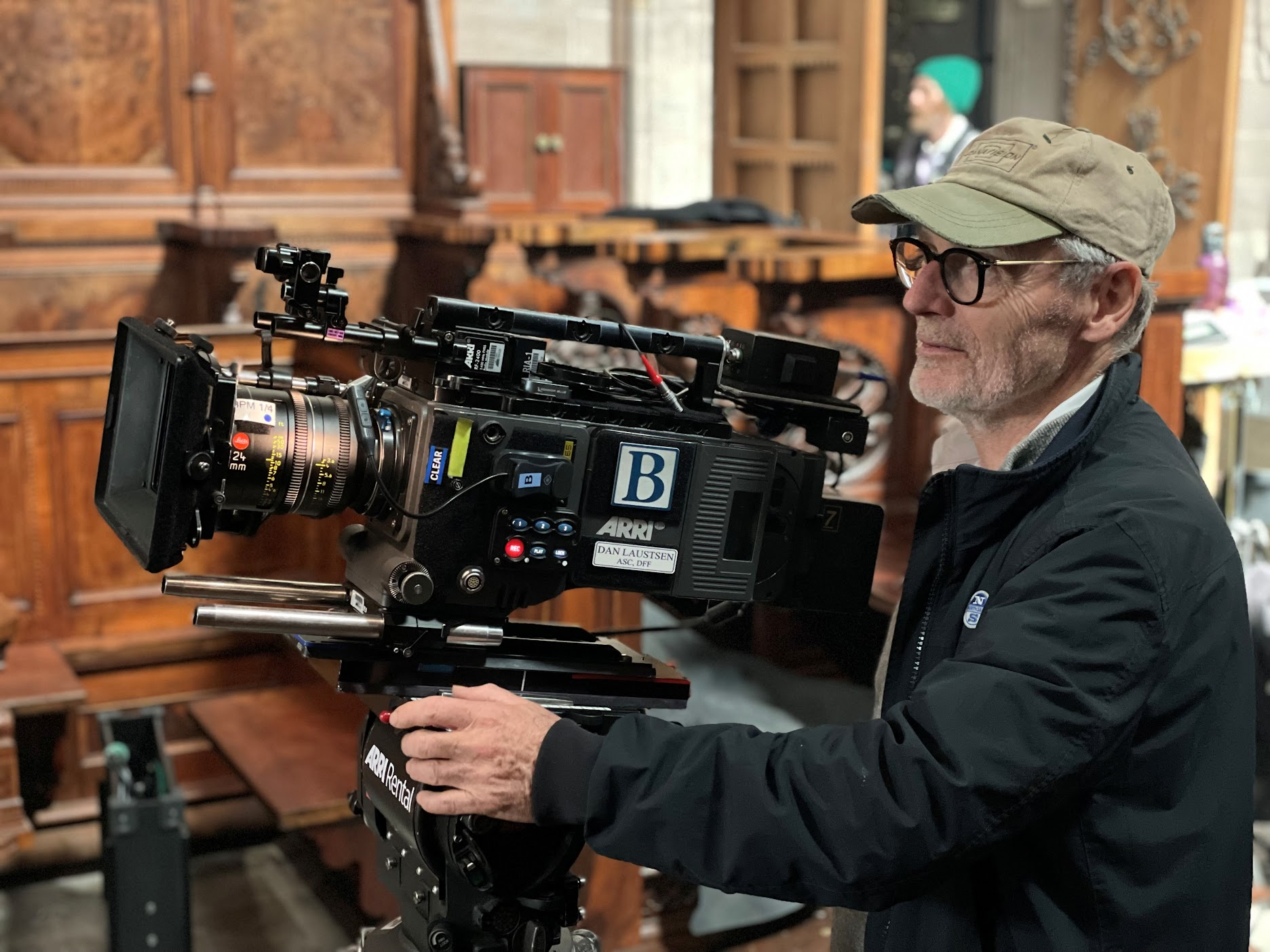
There’s something cinematic about how Dan Laustsen came to cinematography. Growing up in a small Danish town, the son of a shipyard worker and a school teacher, he didn’t grow up dreaming of filmmaking. What he did know was the ocean, hard work, and what it felt like to want something badly enough to earn it yourself. At fourteen, he and a friend took jobs as dishwashers on a ferry running between Sweden and Denmark, working ten-hour shifts below deck in what he describes without drama as “an awful job.” The money they earned bought their first camera, and his father built a darkroom in the basement.
Laustsen’s entry into filmmaking was almost accidental. He was passionate about still photography. His real dream was to become a National Geographic documentary photographer, the kind of work that felt politically aligned with who he was. Then his sister saw an advertisement for the Danish Film School and made a suggestion: why not try it? He had nothing to lose. So at eighteen, with no real interest in movies and absolutely no experience with film cameras, he applied. They accepted him, and he showed up terrified.
The first six months of film school were very hard. He’d never held a film camera before arriving. He couldn’t make a simple pan. Everyone else had been dreaming about cinematography since childhood, and he was learning the basics while they were refining craft. But there was something liberating about this disadvantage. He didn’t worship the masters because he didn’t know who they were. He hadn’t seen Apocalypse Now yet, hadn’t studied Vittorio Storaro or learned the rules that supposedly couldn’t be broken. He was free to discover his own style alongside his fellow students, making mistakes that didn’t matter because that’s what film school was for. And soon after graduation, at just twenty-five, he was ready to shoot his first feature film.
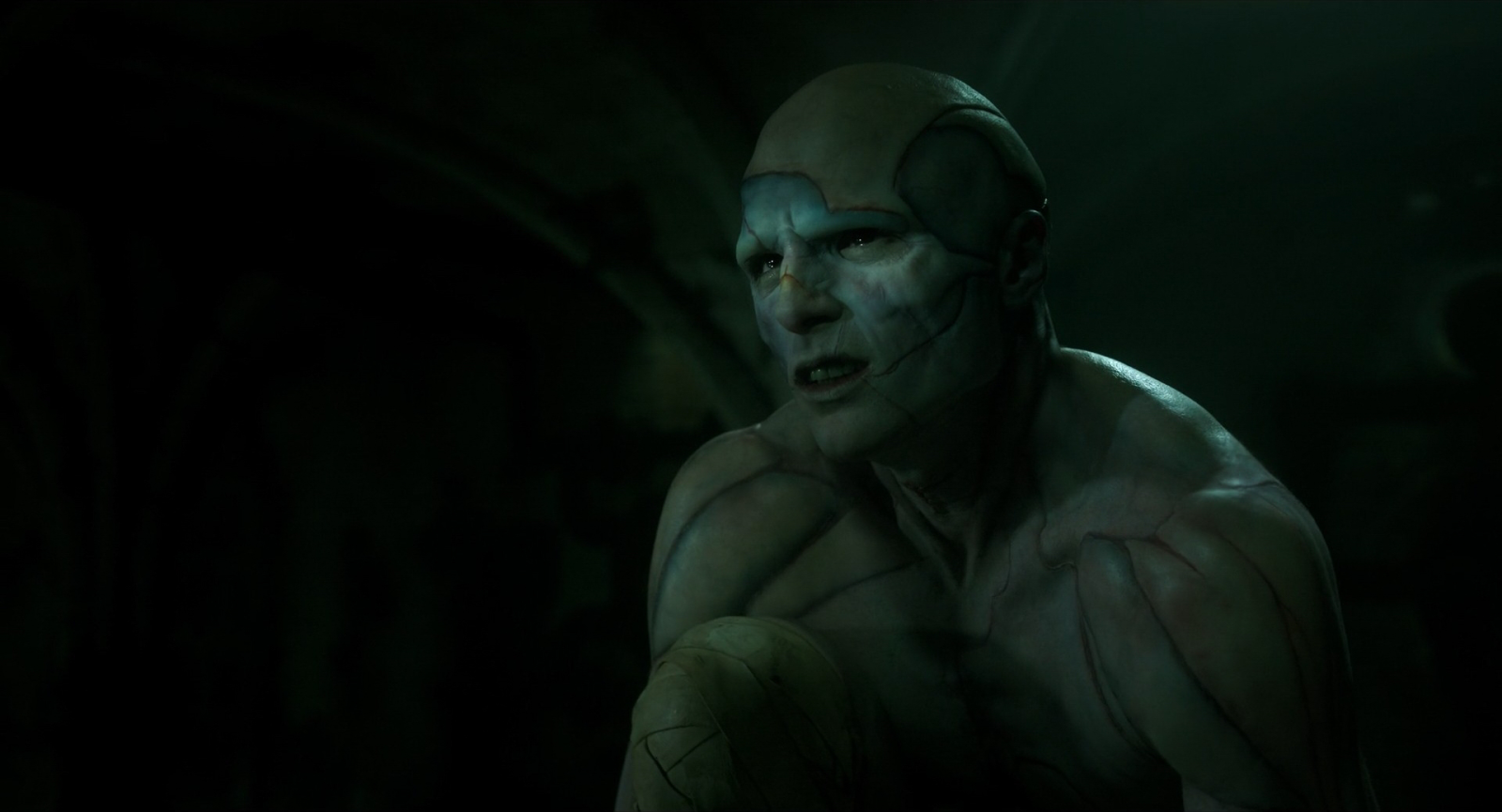
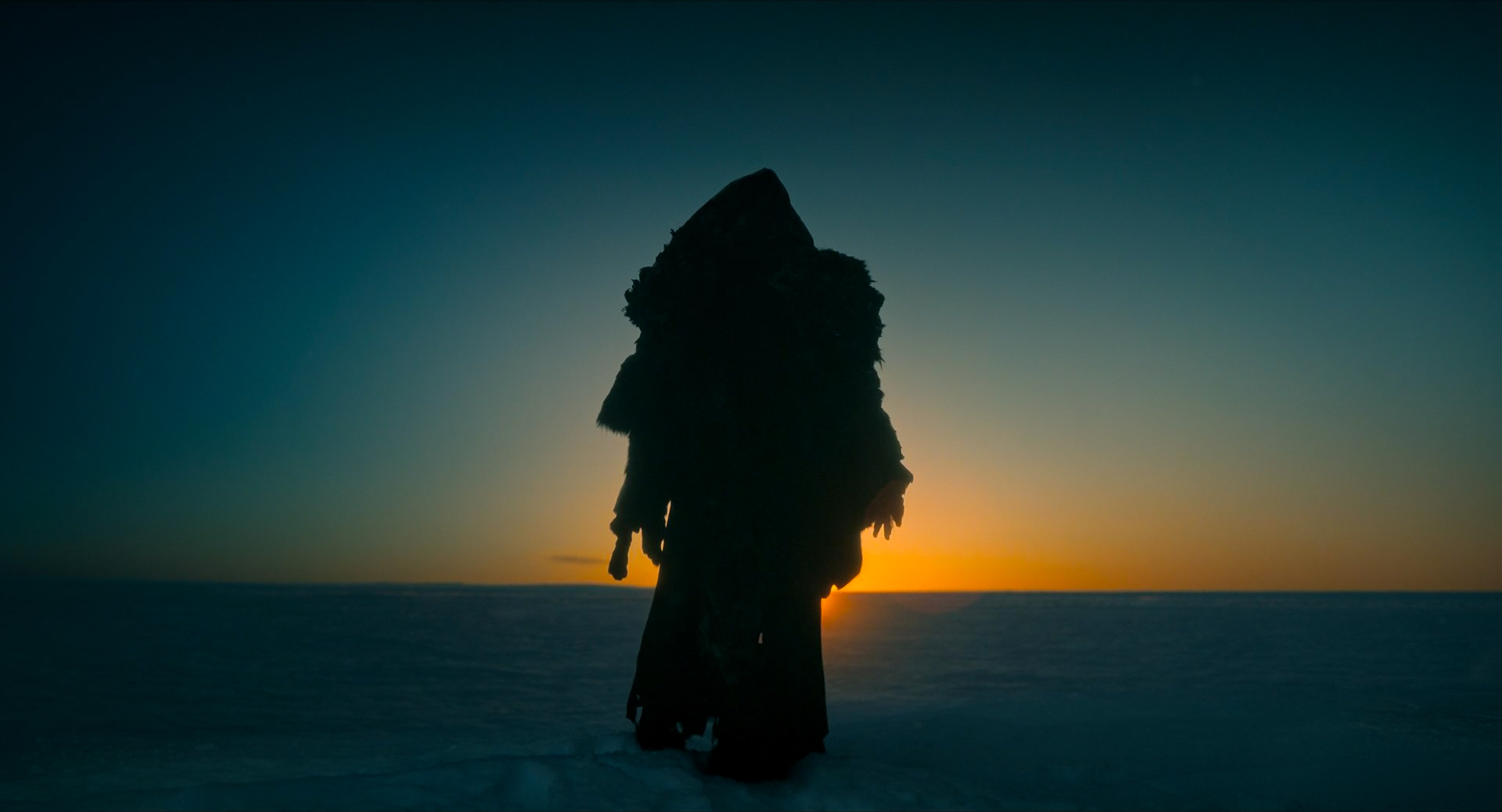
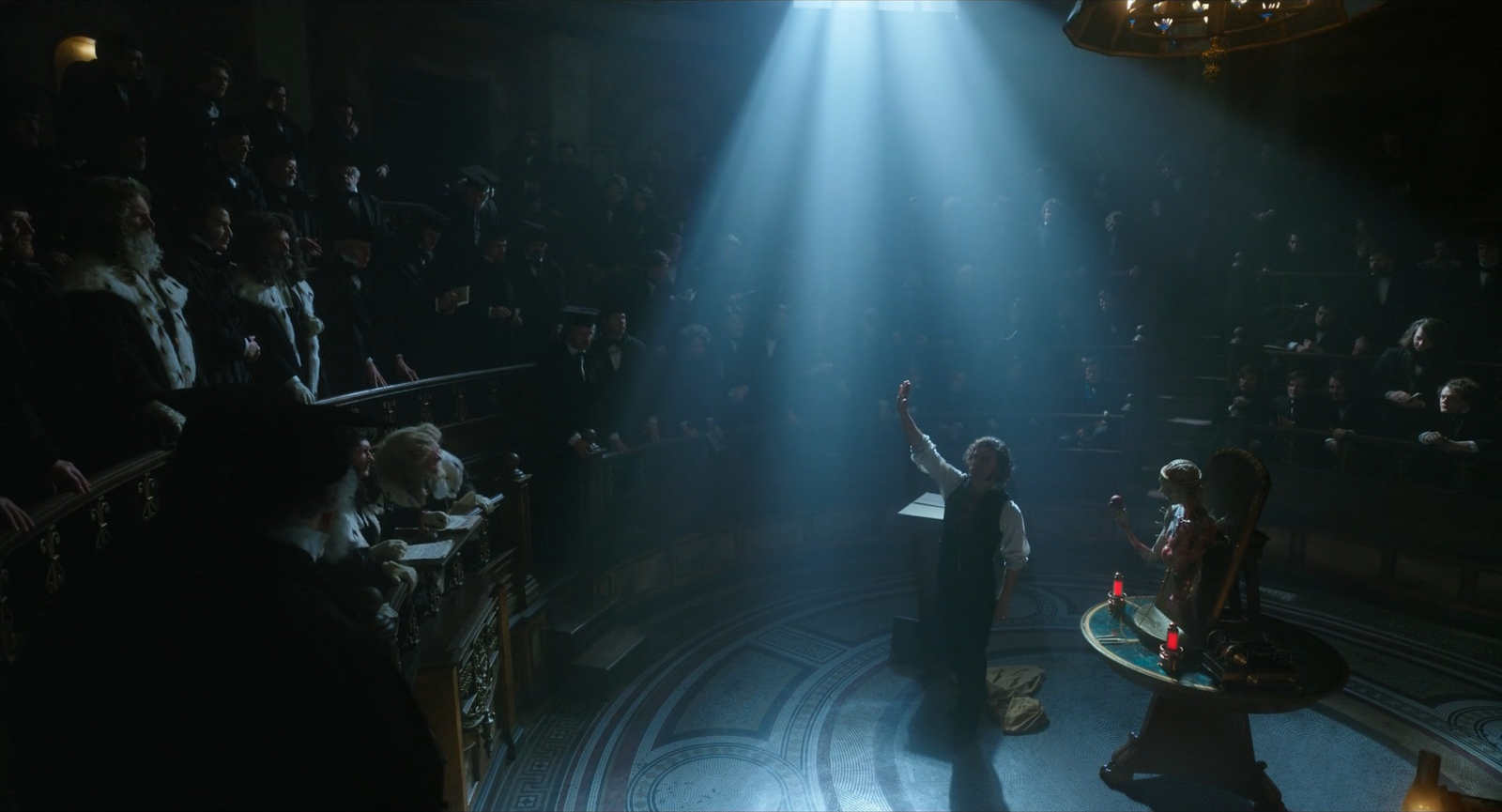
His cinematography career seems to be based on a simple idea: light is the primary storyteller. Not as decoration or technical necessity, but as the fundamental language of the image. He’s drawn to contrast, to single-source lighting, to the kind of dramatic interplay between light and shadow that you see in classical painting. He’s not afraid of darkness. In fact, he celebrates it. The beauty of light, he believes, comes from what it isn’t.
This philosophy found its expression through his long collaborations with directors who share that vision. Ole Bornedal was a crucial collaborator in Laustsen’s career. The two worked together on several projects, including the atmospheric thriller Nightwatch and the sweeping historical drama 1864. His relationship with Guillermo del Toro, with whom he’s created some of the most visually stunning films of the last two decades, is what Laustsen describes as “a small dance, a small ballet”—a sensitive, intuitive exchange where they understand each other almost without words. The same applies to his work with Chad Stahelski on the John Wick films. Three films, three different looks. Laustsen refuses to repeat himself. He speaks with something close to disdain about filmmakers who say, “We did it this way last time, so let’s do that again.”
Frankenstein arrived, and the production was meticulously prepared. Every detail was planned months in advance, from the lighting to the camera movements to the placement of every practical light source. And then, the day before shooting a crucial scene, Laustsen and del Toro looked at each other and decided: this should be daylight, not night. The entire plan, revised overnight. Not despite the preparation, but because of it. The level of control and understanding they’d developed through months of planning gave them the freedom to change their minds completely. Laustsen and del Toro prep obsessively to stay flexible. It’s a paradox that only works when everyone involved truly understands the material at that depth.
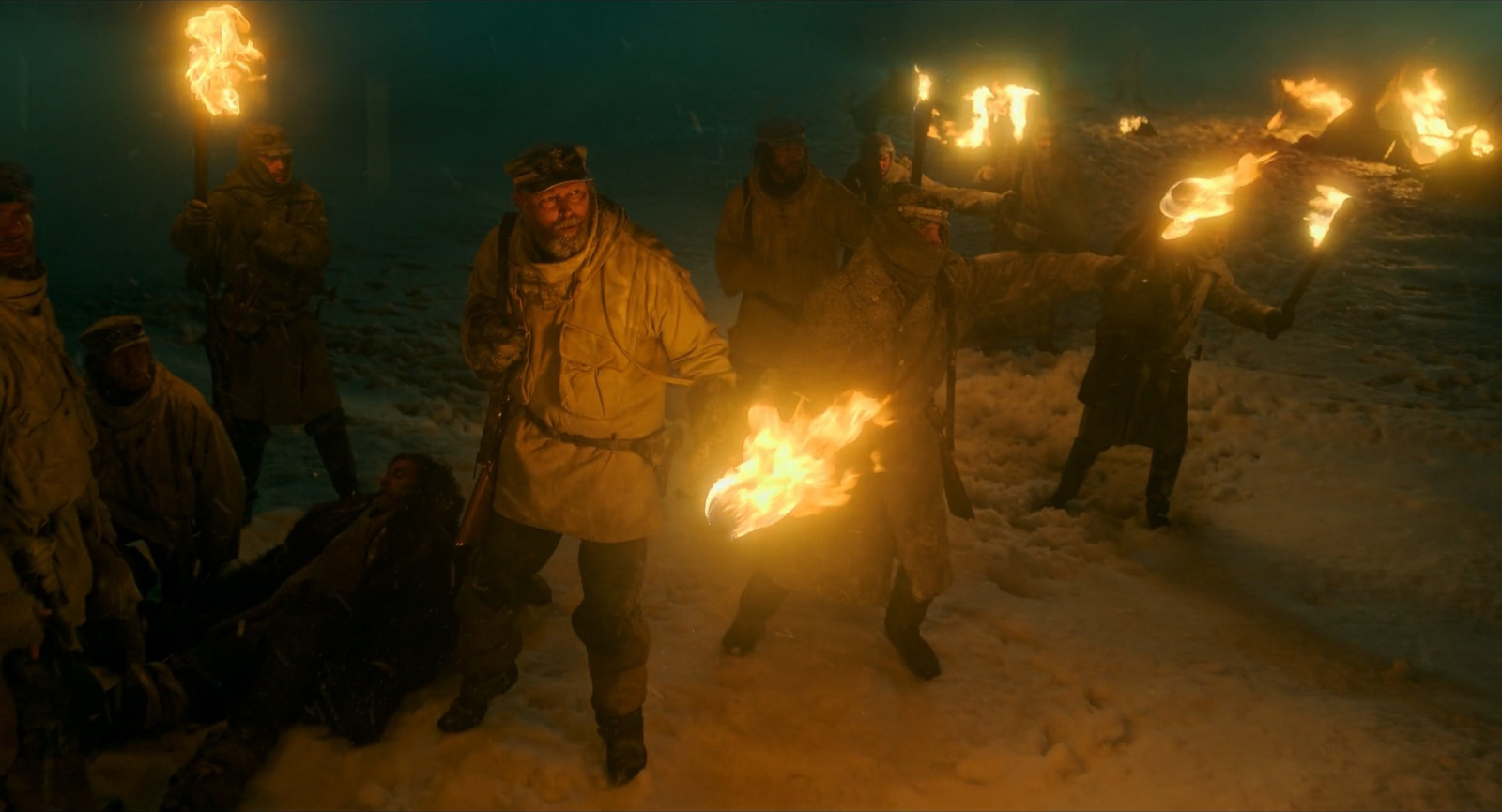
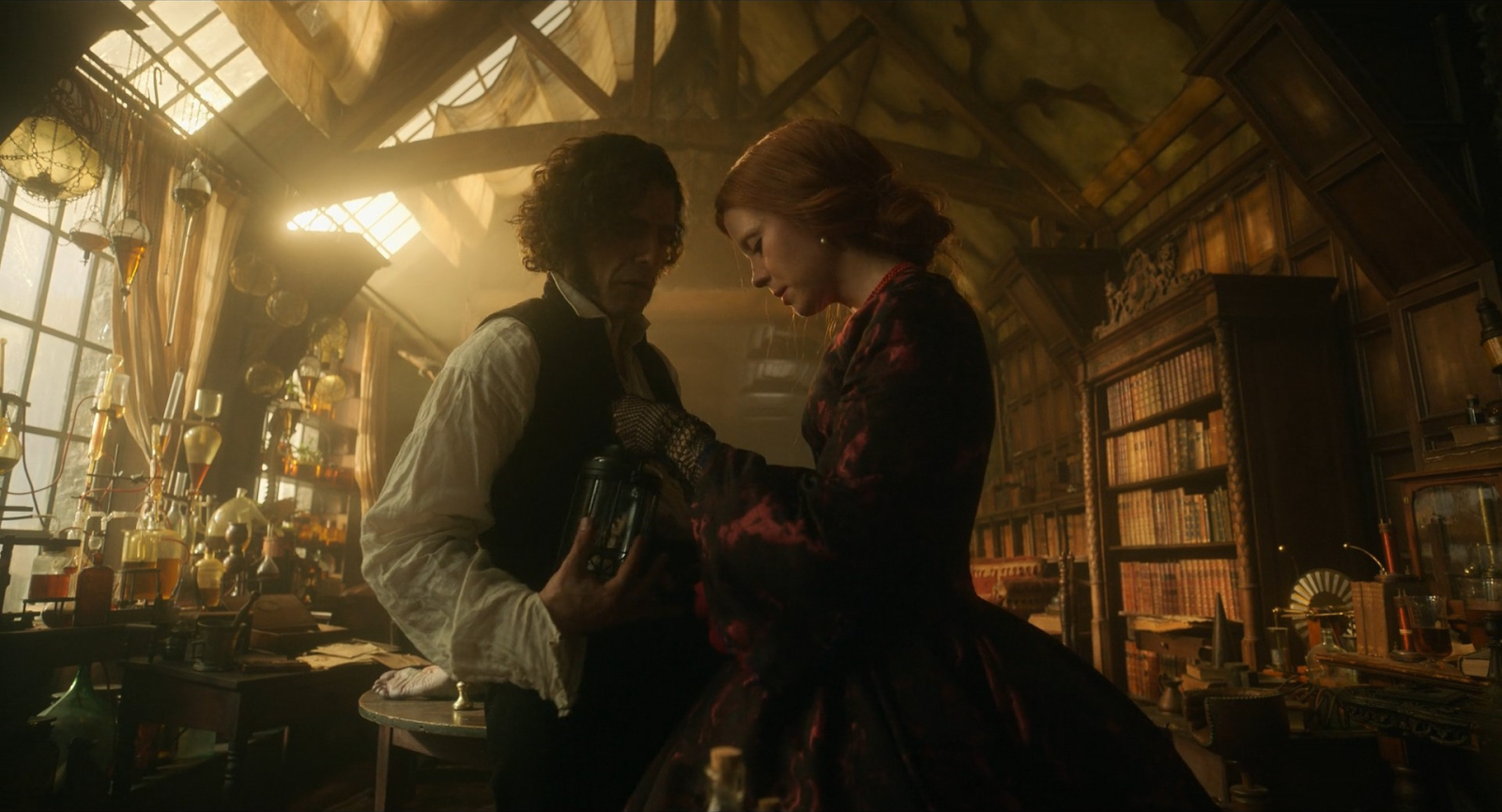
That obsessive preparation extends into how he thinks about the physical space of the film. For Frankenstein, almost everything was shot on location. The sets were built. The costumes were created with meticulous care. The color palette was locked in before shooting began, which meant that adjustments had to happen through lighting, through the gel on lights, through the thoughtful placement of practical sources.
“You have to follow your heart,” he says, when asked about what separates genuine cinematography from mere image capture. “You have to follow what you think is important for you and for the story.” It’s simple, until you realize he means it absolutely. He knows that there’s no single right way to light a scene. But there’s only what serves the film. His personal preference for contrast, for single-source lighting, for the dramatic potential of darkness—that’s his voice as a cinematographer. But it’s a voice in service to the story, never instead of it.
This is why he speaks with such respect about the people he works with. Gaffer, grip, focus puller, special effects technician—they’re all carrying the film on their shoulders. His role is different, but not superior. He’s there to support the director and the story. That’s the phrase he returns to again and again: support. In a time of ego and auteur theory, there’s something almost old-fashioned about the way Laustsen thinks about the hierarchy. The director makes the final call. The cinematographer serves the film. This doesn’t mean he’s passive or without opinions. He fights for what he believes in. But he fights for the film, not for his style.
Choosing which single film best represents his philosophy as a cinematographer, he chooses the most recent one: Frankenstein. Always the last one, he explains, because that’s the one that pushed him furthest. That’s the one that required him to solve new problems, to think differently about light and space and the relationship between camera and actor. He mentions three films that profoundly influenced him: Gunnar Fischer’s black and white cinematography for Ingmar Bergman, in The Seventh Seal, for example; Vittorio Storaro’s work on Apocalypse Now, a film he loves despite—or because of—having no idea how they actually made it; and I Am Cuba, shot in 1962 by a cinematographer Sergey Urusevsky, handheld and on infrared black and white film, impossibly beautiful and impossibly clever. These aren’t films he studied to learn techniques. They’re films that opened his eyes to what was possible, what you could feel and express through light and composition.
There’s a thread running through his entire career, back to that basement darkroom in Denmark, that speaks to the kind of person he is. He didn’t come from a film family. His parents weren’t connected to the industry. His father worked in a shipyard. But they trusted him completely. They believed him. They never questioned why he wanted to go to film school, never doubted him even though they had no idea what a film school was. That unconditional support—that love—he credits as fundamental to his ability to keep pushing, to keep refusing the easy path, to keep demanding more from himself and the films he works on.
Now, at the height of his career, with Frankenstein finished and beginning on the new Highlander, working again with Chad Stahelski, he remains oriented toward the future in the way only someone genuinely committed to the craft can be. He’s learned that magic is about following your heart and your story, relentlessly, without compromise. It’s about light and shadows, yes, but more than that—it’s about using those tools to reveal something true about the human beings you’re filming, the world they inhabit, the stories they’re telling.
That’s what defines Dan Laustsen’s understanding of light. Not something mysterious and hidden, but something earned through craft, collaboration, respect, and an unwavering commitment to the film above all else. Light is the language. And he’s spent his entire life learning to speak it fluently. And amazingly.