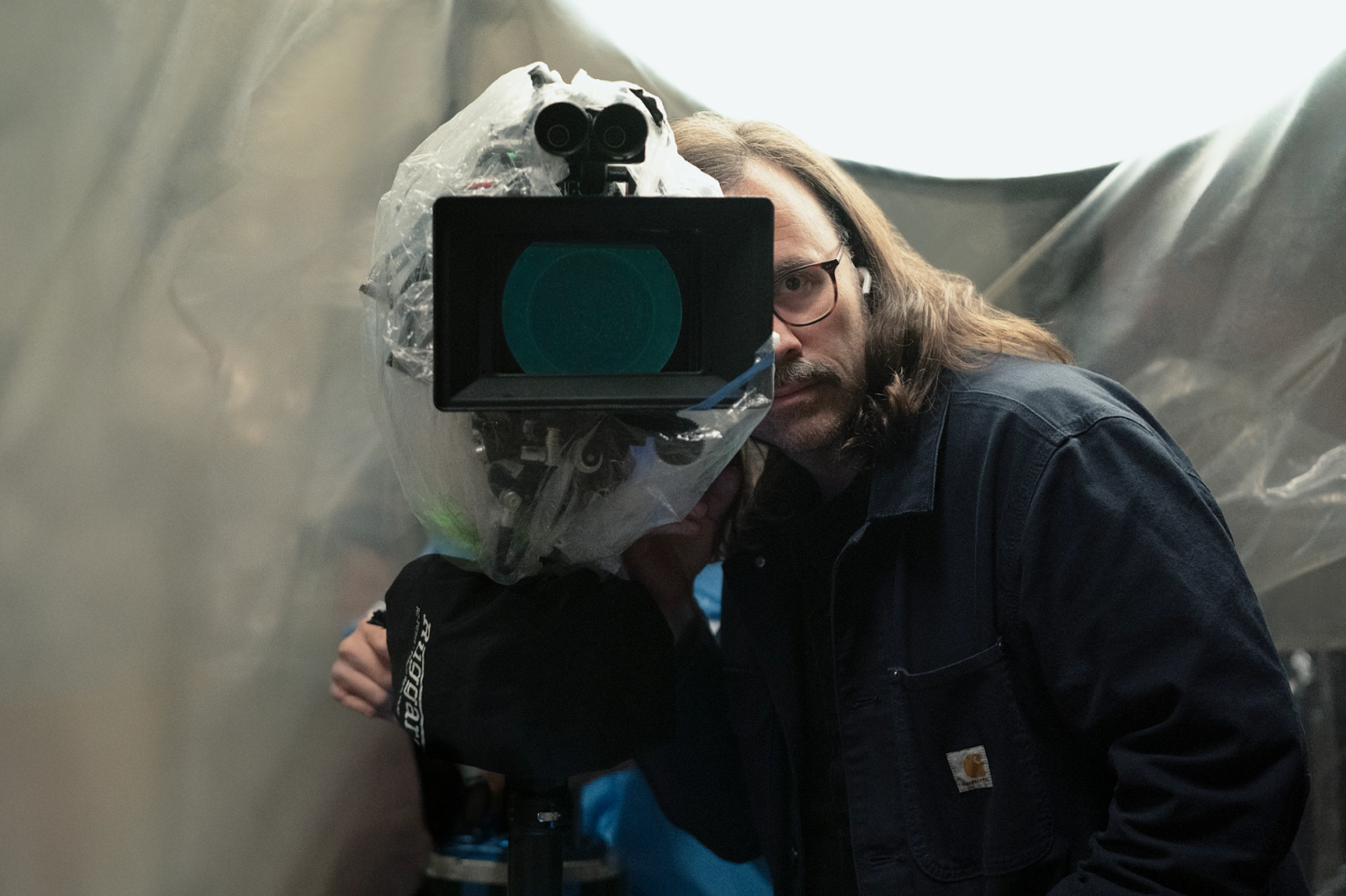
Blake McClure, ASC, didn’t grow up as a film prodigy with a light meter in his crib; he started by sneaking onto the sets of the Ernest movie series in his hometown of Nashville. Growing up in a music hub where Hollywood felt like a distant planet, it wasn’t until the tail end of film school that he realized visuals were his true language—a way for a shy, introverted kid to express himself without needing too many words.
While most cinematographers spend grueling years climbing the traditional camera department ladder—starting as a utility, moving to second AC, and pulling focus—McClure took a sharp detour. He made the conscious, and at the time terrifying, choice to skip the hierarchy entirely to avoid the “golden handcuffs” of a steady crew salary. He feared that the comfort of a paid assistant role would lead to complacency, so he worked as a PA, a casting assistant, and even in the art department to pay the bills, keeping his weekends free to shoot indie shorts with his friends. By the time he hit thirty, he dropped the chase of directing to fully commit to the craft that fulfilled him emotionally: the art of the frame.
When it comes to his process on set, McClure operates in a beautiful sweet spot between meticulous design and total improvisation. He is a self-proclaimed fanatic for color, contrast, and the power of a custom Lookup Table (LUT). While many modern DPs prefer to shoot a “safe,” flat RAW image to manipulate later in post-production, McClure prefers to make big, definitive choices right on set. He wants the monitors to show exactly what the final picture will look like, baking his creative personality straight into the dailies so that the network and studio fall in love with the actual vision from day one.
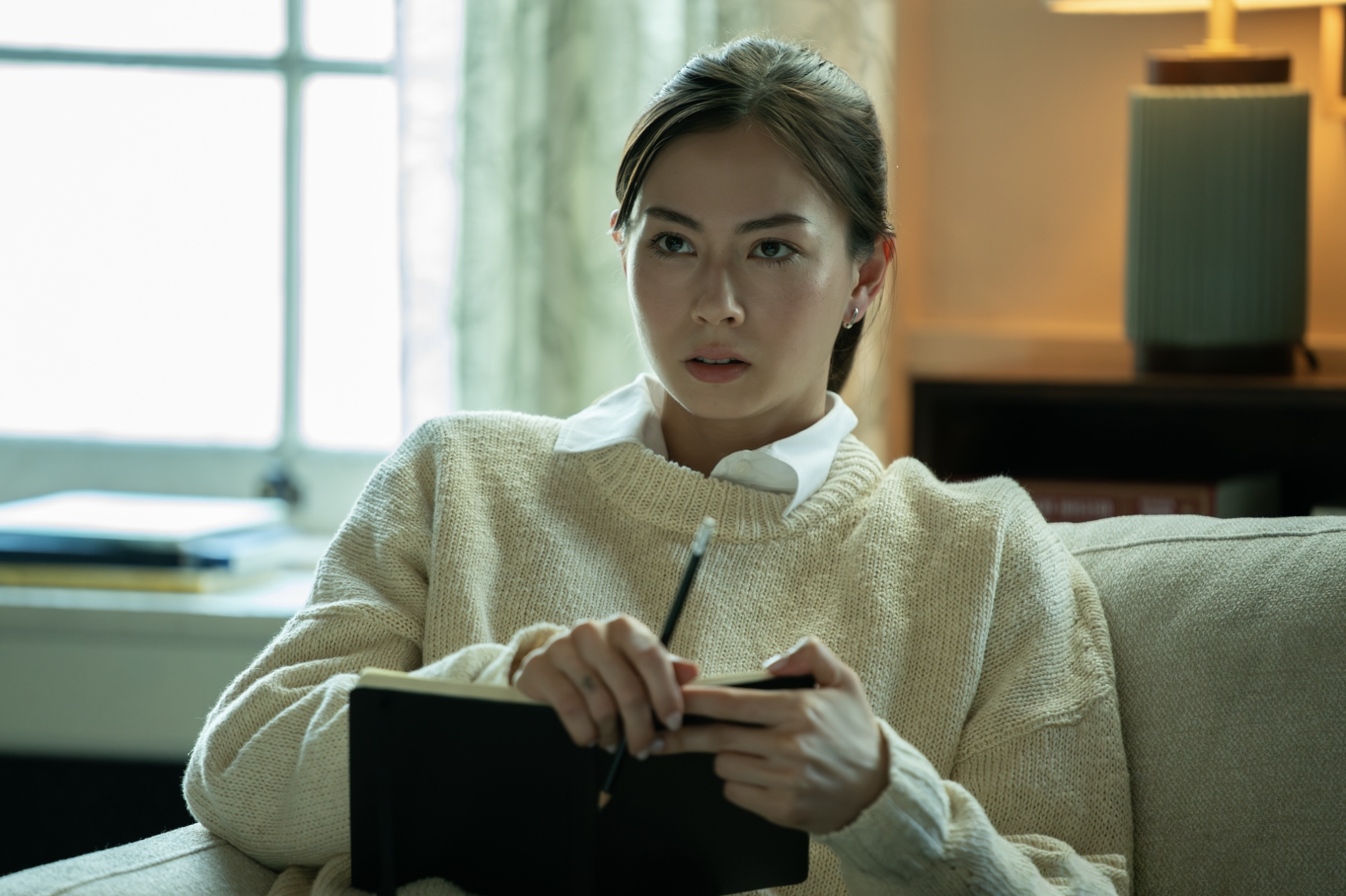
This bold philosophy was front and center during his work on the series Rooster. Faced with the technical headache of massive sets built right up against the studio’s fire lanes—leaving almost no room to light through the windows—McClure chose the URSA 17K 65mm camera. He utilized large-format portraiture to pull characters out of their environments, focusing heavily on the intimacy of the human face. To push the imagery further, he paired the sensor with a custom-tuned Camtek color contrast filter to egregiously lift the shadows on set before using his LUT to pull the contrast back down, creating a moody aesthetic reminiscent of a Wong Kar-wai film.
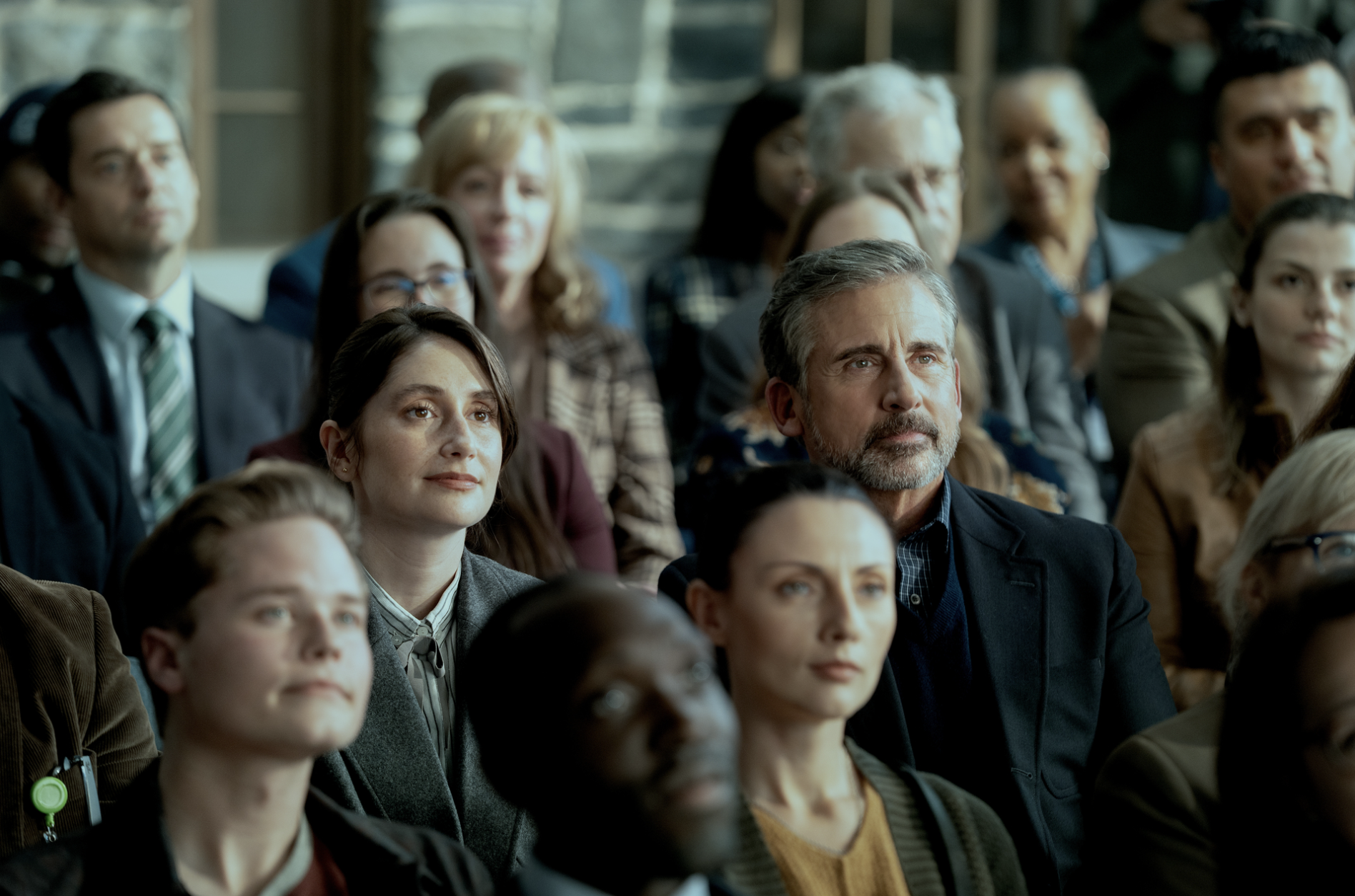
Despite his high-level technical expertise, McClure’s philosophy on set is remarkably grounded and devoid of ego. He views his role as being 100% supportive of the director, seamlessly adapting to the revolving door of styles that episodic television demands. Rather than playing gatekeeper, he actively encourages his camera operators and gaffers to communicate directly with the director to foster a true creative collective. He is the first to admit that his ideas aren’t always the best, and he strives to ensure everyone around him feels engaged in the process. When he needs to feed his own artistic soul, he revisits foundational films like Powell and Pressburger’s Black Narcissus, where every frame is a painting, or the kinetic, comic-book energy of the Coen brothers’ Raising Arizona.
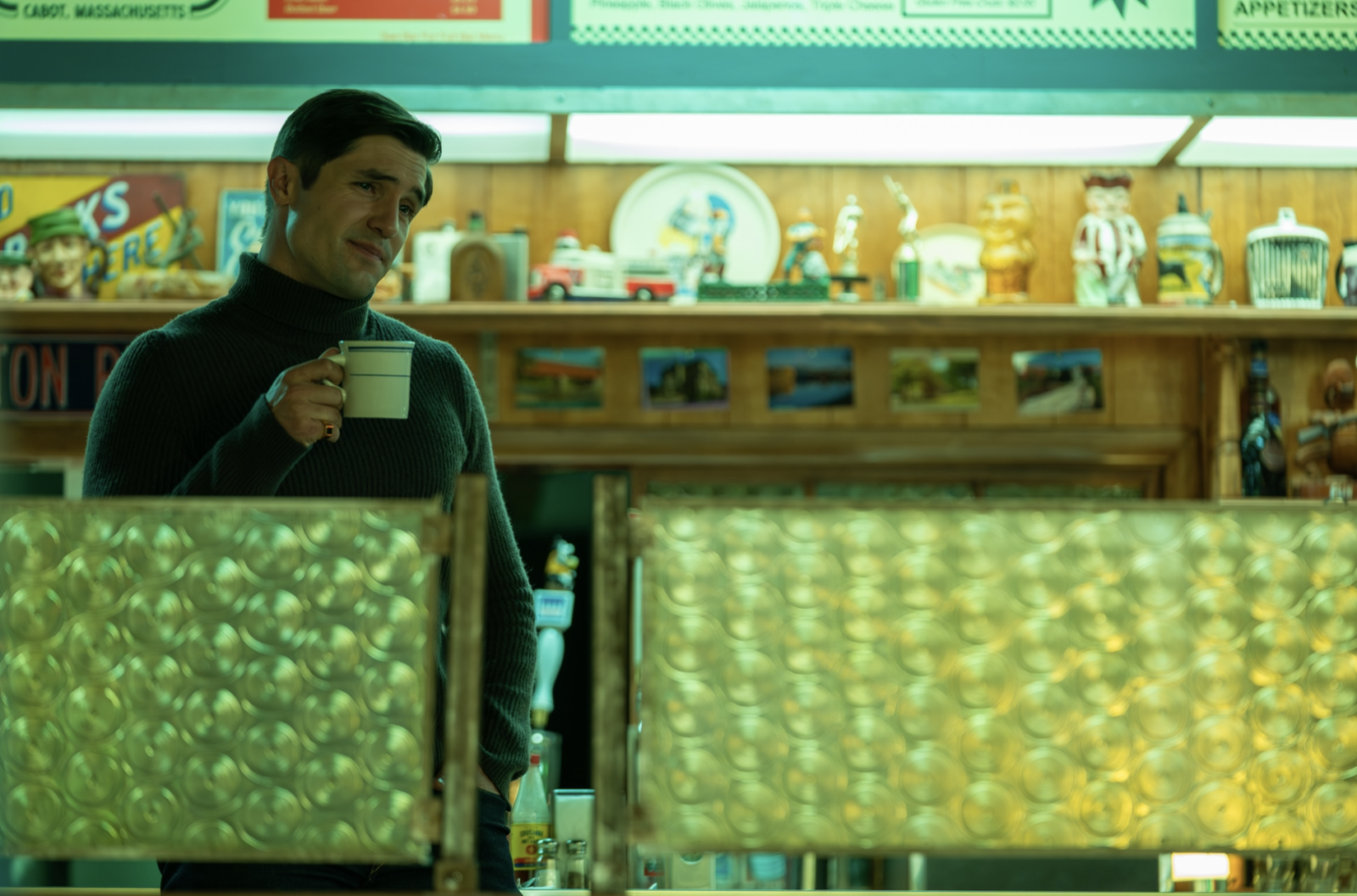
Currently, McClure is on location in West Hollywood, wrapping up the first week of shooting on a top-secret series starring Elizabeth Banks and Ted Danson, before transitioning back into the world of Rooster for a second season in late 2026.
Even with the looming shadow of AI over the industry, he isn’t losing sleep. After an initial wave of curiosity, he now views it as another machine in the suite—a tool meant to strip away mundane, non-artistic tasks so humans can spend more time actually creating.
His ultimate advice for the next generation of shooters is the same note he still whispers to himself on heavy production days: slow down, breathe, and have fun. In an industry defined by the chase for the next bigger and better project, it’s easy to lose sight of the fact that telling stories with pictures is a remarkable way to live. For Blake McClure, the camera isn’t just a career; cinematography is life, and it’s everything.