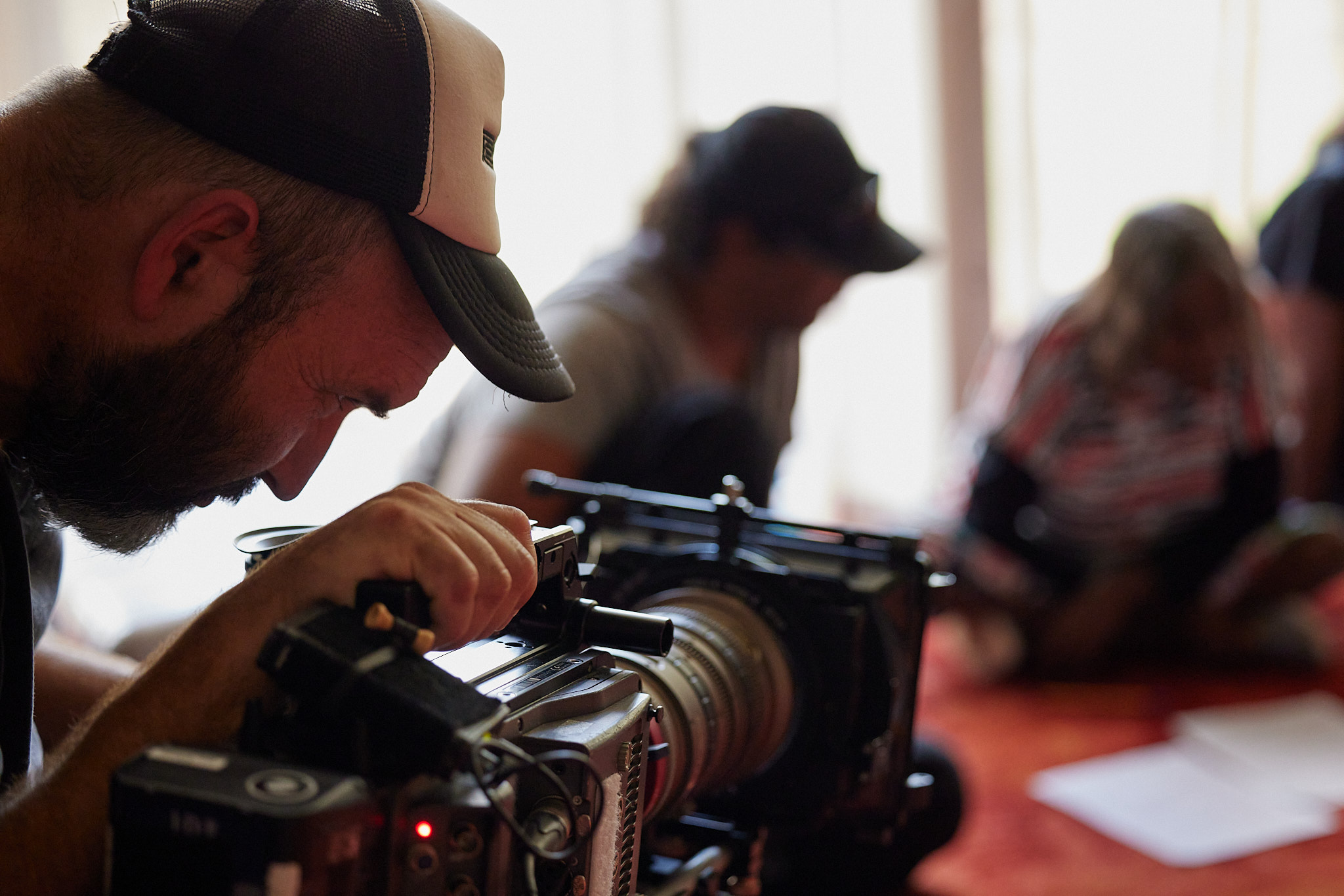
For Al Moore, the art of cinematography is far more than a collection of technical choices; it is what he describes as a synchronized movement between luminous energy and the human spirit. With a professional path crossing a quarter of a century, the Sydney-based director, editor, and cinematographer has cultivated a career that acts as a bridge between the tactile, chemical heritage of traditional film and the limitless frontier of modern digital post-production. His long-standing commitment to the industry was recently celebrated with a Gold ACS Award at the NSW & ACT Cinematography Awards, a milestone he views with humility, noting that his “overnight success” was actually twenty-five years in the making.
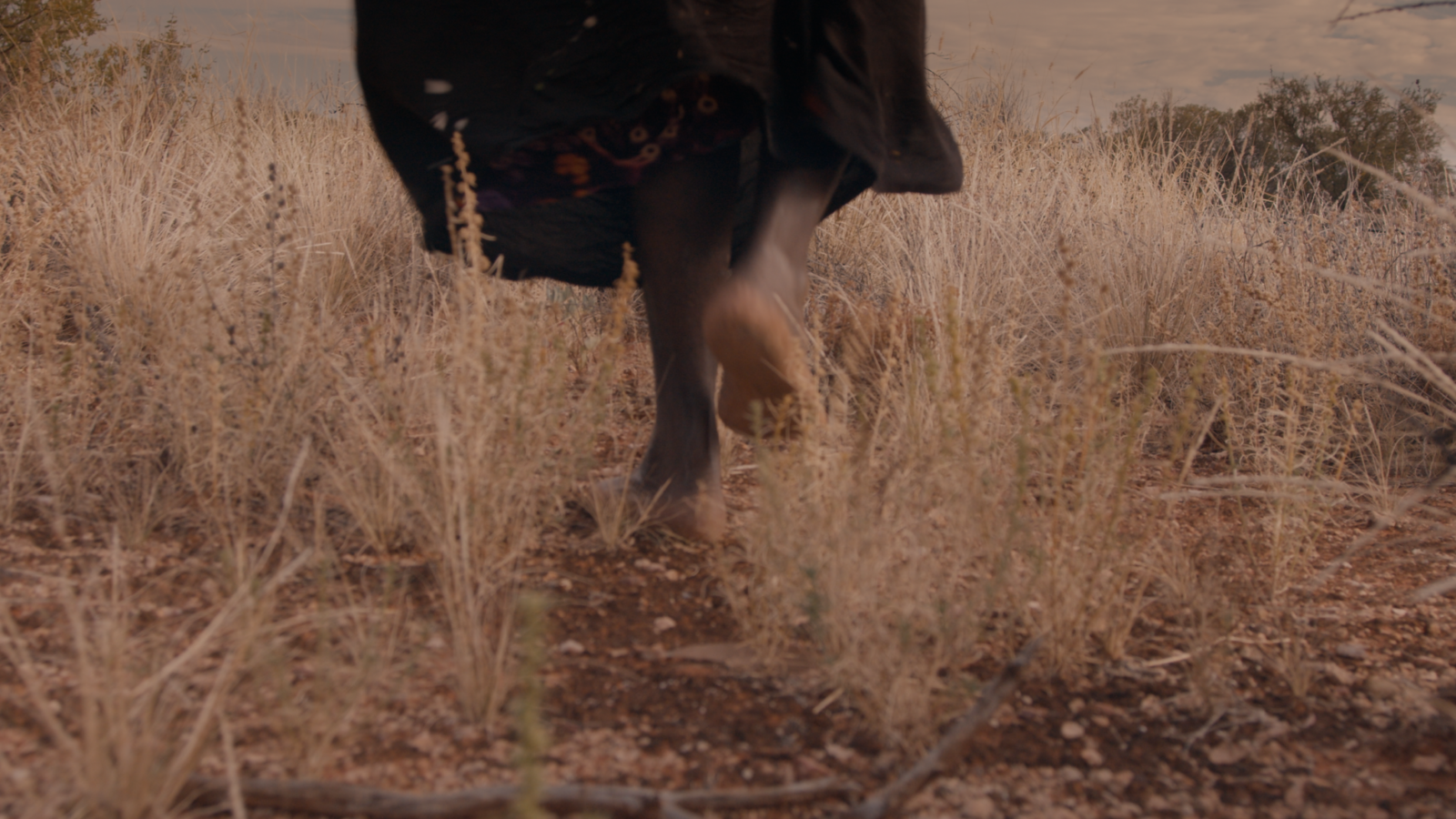
While Moore currently is a Director at the agency BMF, his most personal and defining achievements are found in his independent visual storytelling. His recent cover story for Australian Cinematography Magazine highlights his award-winning documentary, An Ancient Story Takes Flight, a project that pushed his creative boundaries and solidified his standing as a master of multifaceted narratives across commercials, title design, and film.
Moore’s journey into the world of optics began in an environment of scientific rigor, born into a family where his father was an extremely important Crystallography scientist. This background in science and mathematics provided a silent foundation for his fascination with how light interacts with glass. Moore has a design degree, formally trained in typography and illustration and learned his craft in the “deep end” of the Sydney production scene, starting in 2000 as a runner for Window Productions. For seven years, he lugged equipment for the industry’s premier Directors of Photography, a grueling apprenticeship that complemented his early self-taught experiments using an old Olympus SLR while documenting the local skateboarding and snowboarding communities. This experience led to a position as pre visual director and in-house Camera assistant.
The transition from the chemical “alchemy” of film—the distinct aroma of the short ends fridge and the physical thrill of opening fresh stock—to the digital era defines Moore’s technical perspective. While working on cutting edge TVC’s he was at the same studio as groundbreaking sets like Star Wars as digital capture began to challenge film’s dominance, and he navigated the high-pressure environments of The Matrix. Danny Ruhlmann ACS was a great mentor who constantly leant him his gear. Arri 2c and Arri 435 for shooting on weekends (music promos and short films).
Under the guidance of Jake Scott and DoPs Christopher Doyle (cinematographer from in The Mood For Love) and Sal Tortino ASC, AIC, Moore developed an immersive style, contributing to hundreds of projects that honed his ability to execute complete creative visions from initial storyboard to the final cut. As Ray Lawrence’s DA, Moore worked on the pitch filming process on Cannes Award winning film Lantana. Moore created the artwork that resulted in the title sequence. Also dop Danny Ruhlmann ACS was a great mentor who constantly leant me his gear. Arri 2c and Arri 435 for shooting on weekends (Music Promos. Short flms). When I worked with Jake Scott I often worked with his DoP at the time Christopher Doyle (cinematographer from in The Mood For Love) and Sal Tortino ASC, AIC.
This comprehensive vision is evident in his role as a pioneer of remote post-production workflows. While raising twins alongside his wife—a stills production stylist—Moore carved out a niche as a VFX supervisor and specialist in digital cartography, focusing on how to replicate authentic lens behavior within a computer environment. Despite these high-tech capabilities, he maintains the heart of a purist, striving for a “what you see is what you get” philosophy on set. He treats digital sensors with the same respect as 500T film stock, preferring naturalistic balances over excessive digital manipulation in the final color grade.
Moore’s favorite aspect of the craft remains the “three-point connection”—the geometric relationship between the illumination, the subject, and the glass. He finds the greatest joy in the delicate movement of pulling focus between two actors or reacting in real-time to a performer’s emotional spark. This instinct is prepared through a meticulous pre-visualization process; Moore often enters a meditative state in the early morning hours to hand-draw storyboards. By converting a three-dimensional location into a two-dimensional sketch, he ensures the cinematic vision is locked in long before the cameras begin to roll.
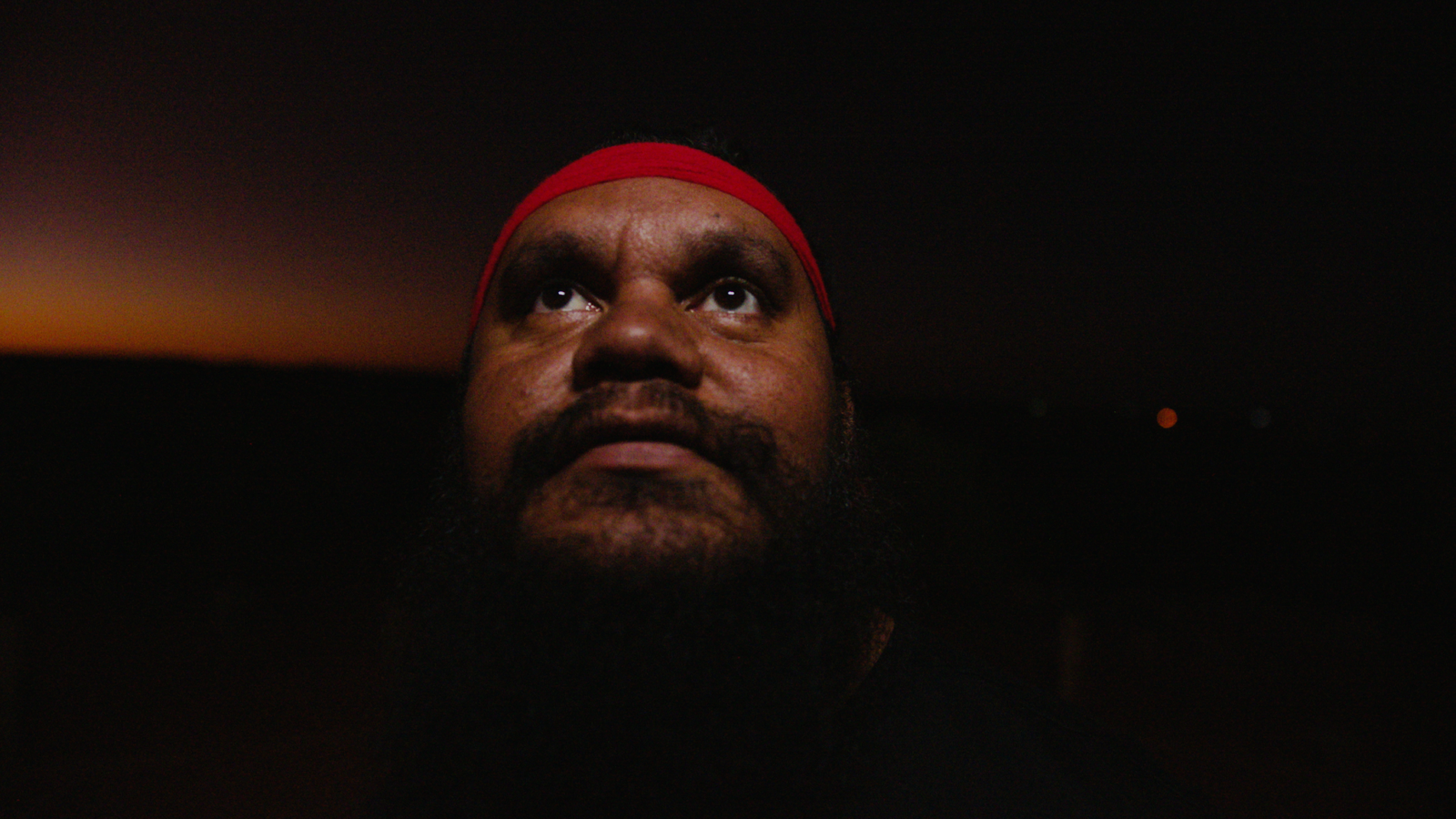
His sophisticated visual language draws from a diverse range of influences, from the intimate, available-light textures of Wong Kar-wai’s In the Mood for Love to the rigorous, epic planning seen in I Am Cuba. These influences culminated in the production of An Ancient Story Takes Flight. Originally intended as a brief promotional spot for the Wintjiri Wiṟu drone experience at Uluṟu, Moore’s deep collaboration with the Aṉangu Traditional Owners transformed the project into a twelve-minute documentary. The promo managed to get over 2 million views on Instagram and the film premiered on Qantas inflight and still shows daily at Uluṟu Arkani Theatre. Over a year of production, he traveled to the desert seven times to record sacred songs and capture the story’s evolution, always working under the guidance of local Elders and a Parks Ranger to ensure cultural protocols were strictly followed.
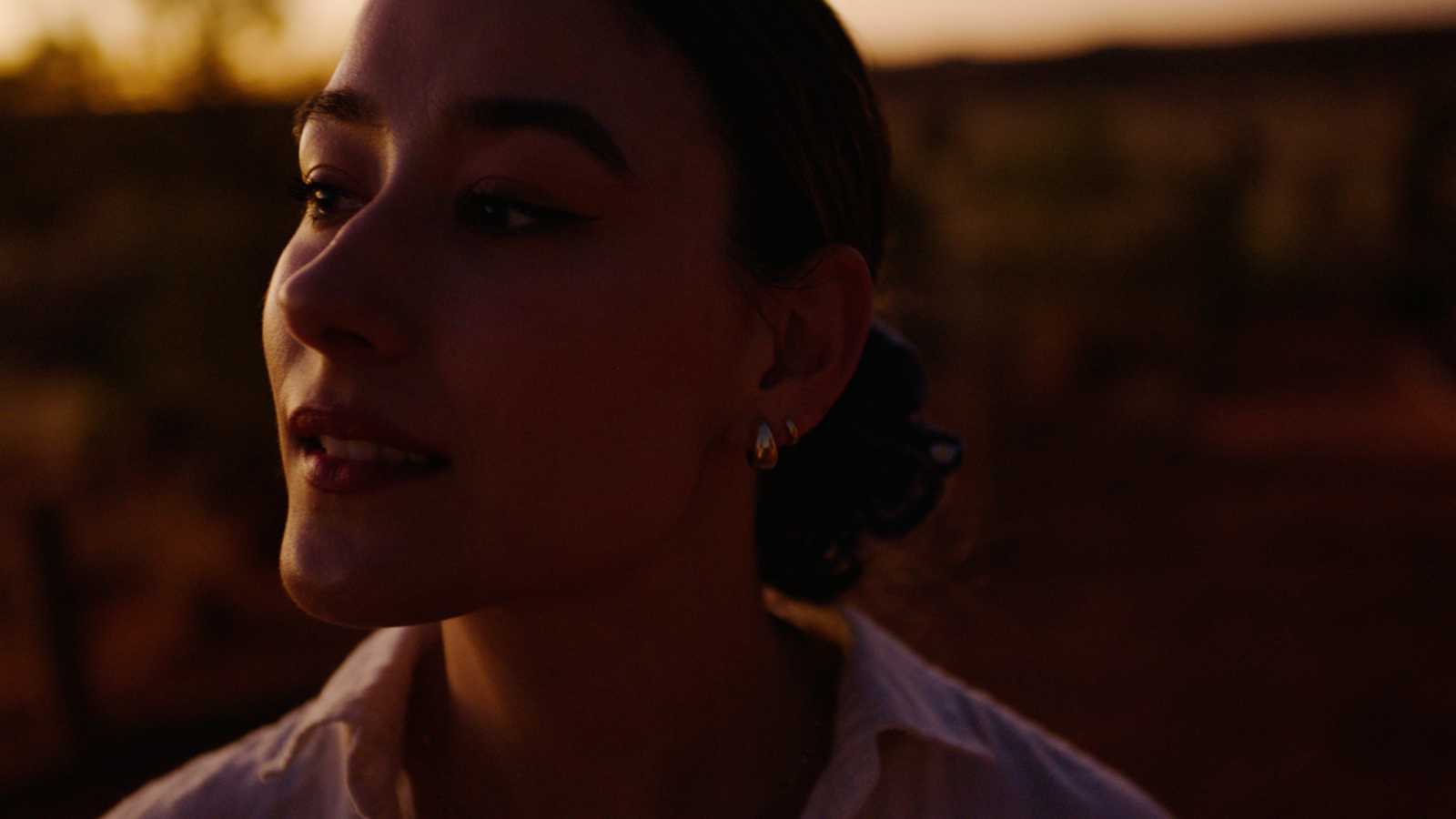
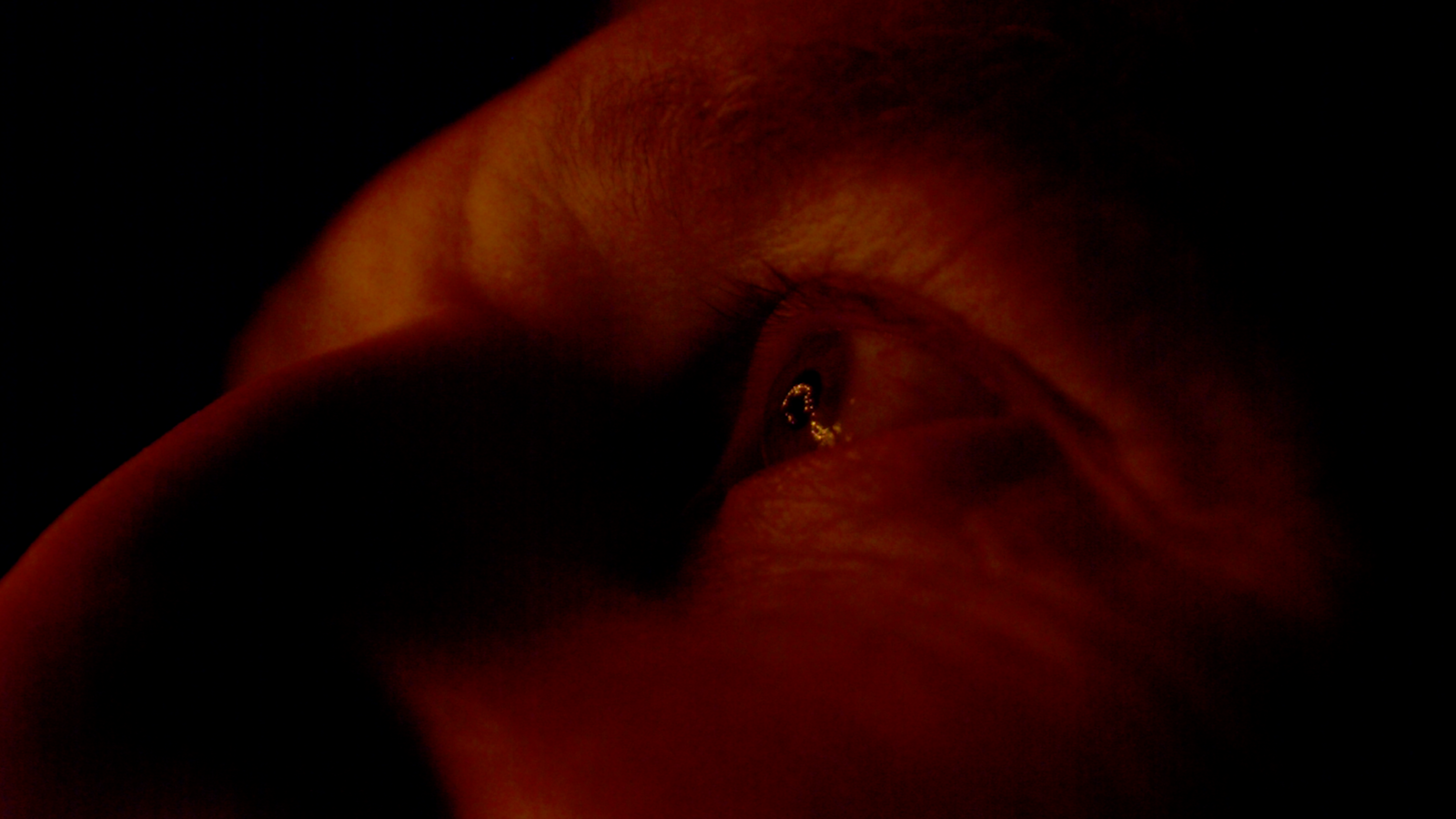
Shooting at one of the world’s most cinematic but sensitive locations required Moore to be an unobtrusive “fly on the wall.” To capture the desert light and the glow of 1,100 drones, he utilized the ARRI Amira, choosing it for its ergonomic efficiency and superior highlight management. Paired with Angénieux glass, the setup captured a characteristic warmth that thrived in the Central Australian atmosphere. To solve the challenge of filming audience reactions in the dark without breaking the immersion, Moore devised clever in-camera solutions, using handheld tubes and suspended fairy lights to mimic the drone show’s reflection in the eyes of the spectators—a trick that maintained the naturalistic lighting he prizes.
Looking toward the future, Moore is currently developing a deeply personal documentary centered on his father, Dr Frank Moore, the key Crystallographer on Dorothy Hodgkins Nobel Prize winning research team that mapped vitamin B12, and his scientific legacy in Oxford. This project represents a full-circle moment, merging his family’s analytical heritage with the emotional, visual language he has spent decades perfecting. His enduring advice to those entering the field remains focused on the power of persistence: keep shooting every weekend, borrow whatever equipment is available, and eventually, the technical and the human will meet in front of the lens.